Tell us about the job
Takes about a minute. No obligation.
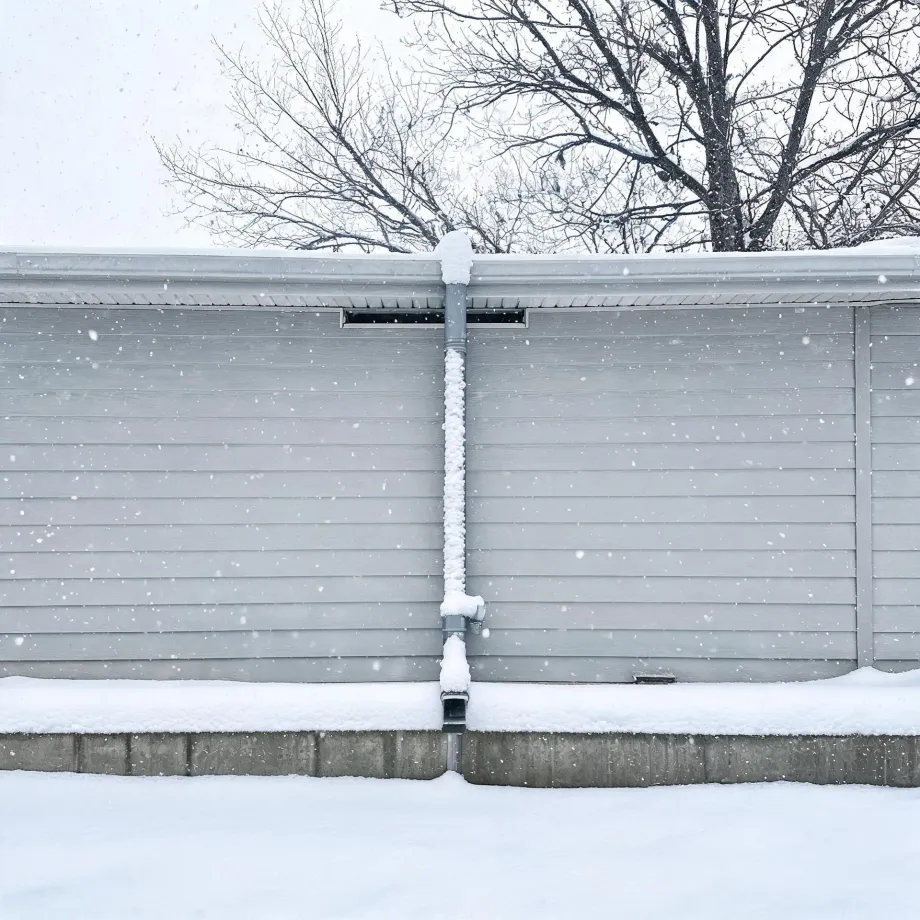
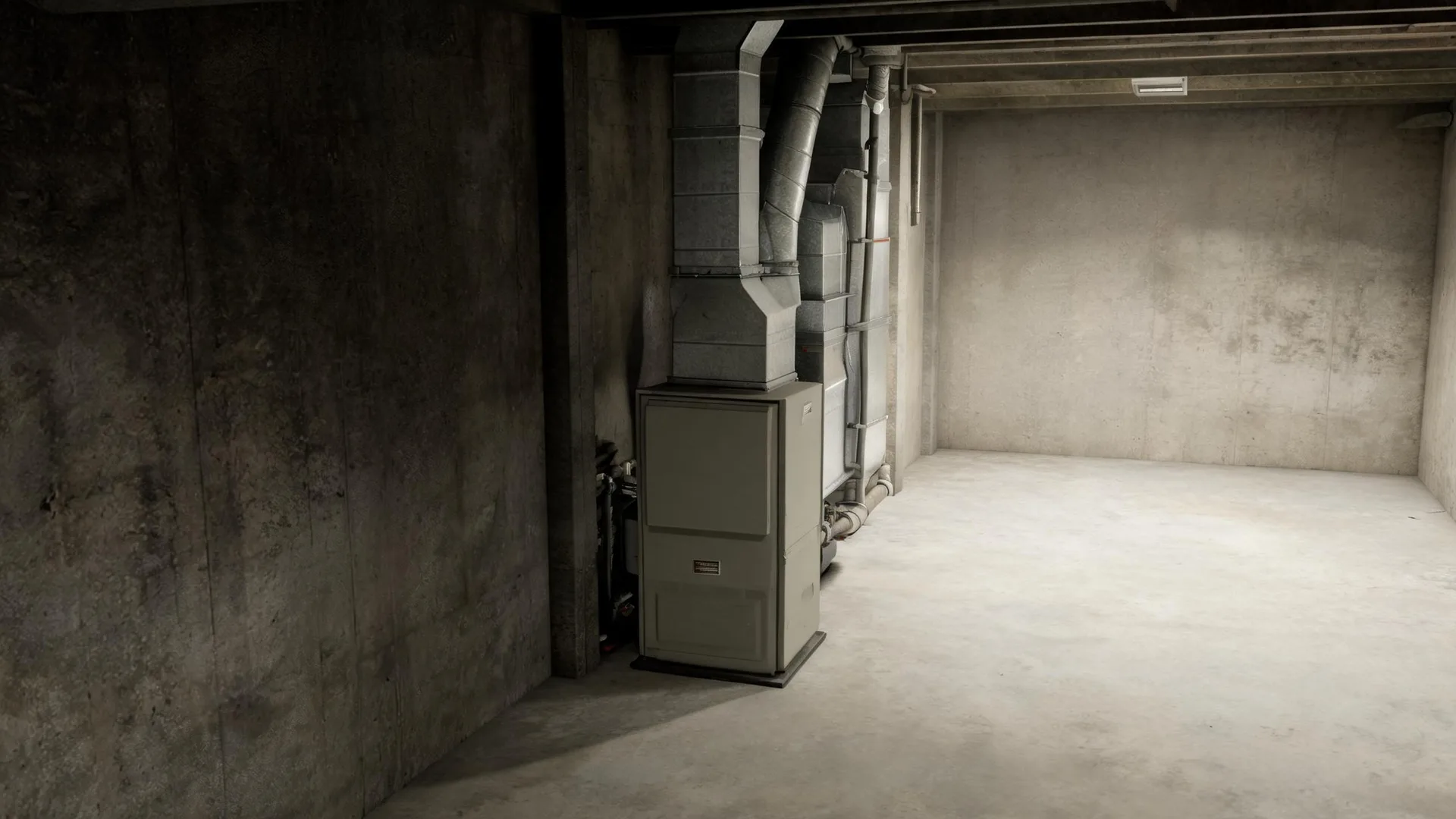
A contractor quoting furnace repair in Monmouth County works out what the burner, heat exchanger, and ignition system have already been through before settling on a repair scope. Homes in Monmouth County, NJ run heat about seven months a year, from October through April. Burners cycle repeatedly across that heating season, and each startup puts thermal stress on the heat exchanger. Cracks, fatigue at the welds, and igniter degradation follow from that load. A contractor who opens the furnace and finds a stressed heat exchanger is looking at the result of accumulated cycling, and the repair decision follows from what they find there.
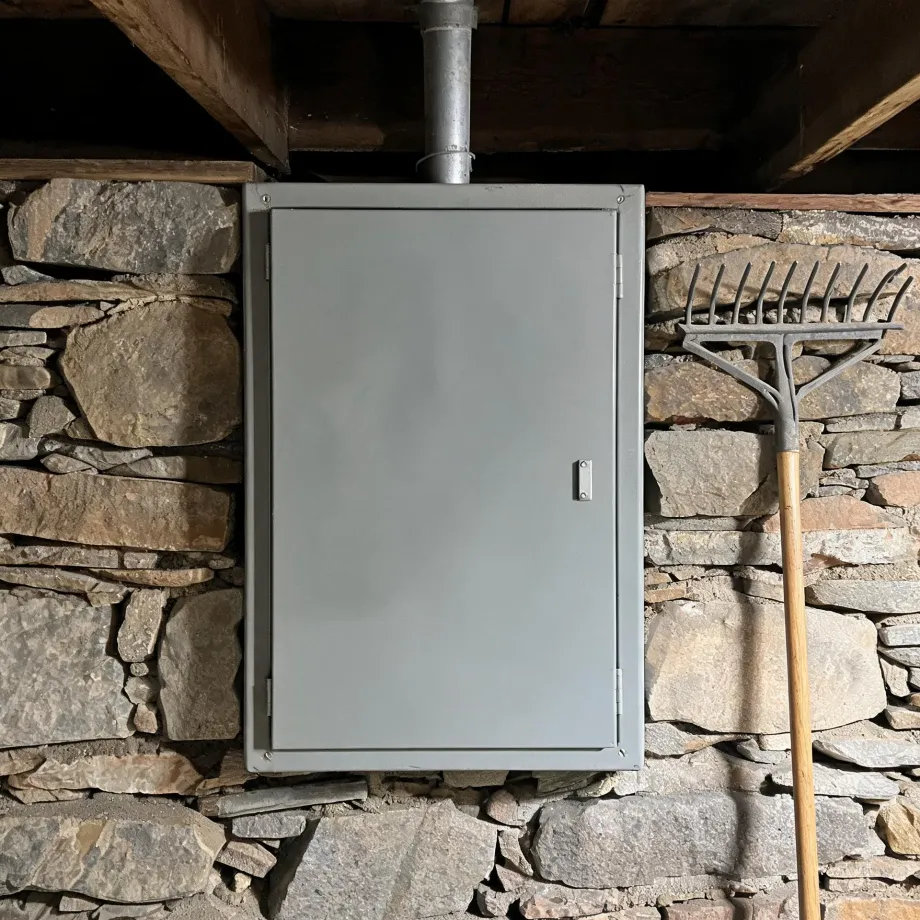
Furnaces running in Monmouth County's older housing stock were matched, at installation, to components that have since been discontinued or redesigned by their manufacturers. Half the homes in Monmouth County, New Jersey were built in 1975 or earlier (2020-2024 ACS 5-year). When a contractor opens a unit in a house of that generation, the question that shapes the repair is whether the part it needs is still in production, or whether the job becomes a search for a compatible substitute. That answer changes the bill, the timeline, and sometimes the recommendation.
The Parts of a Furnace a Contractor Checks First
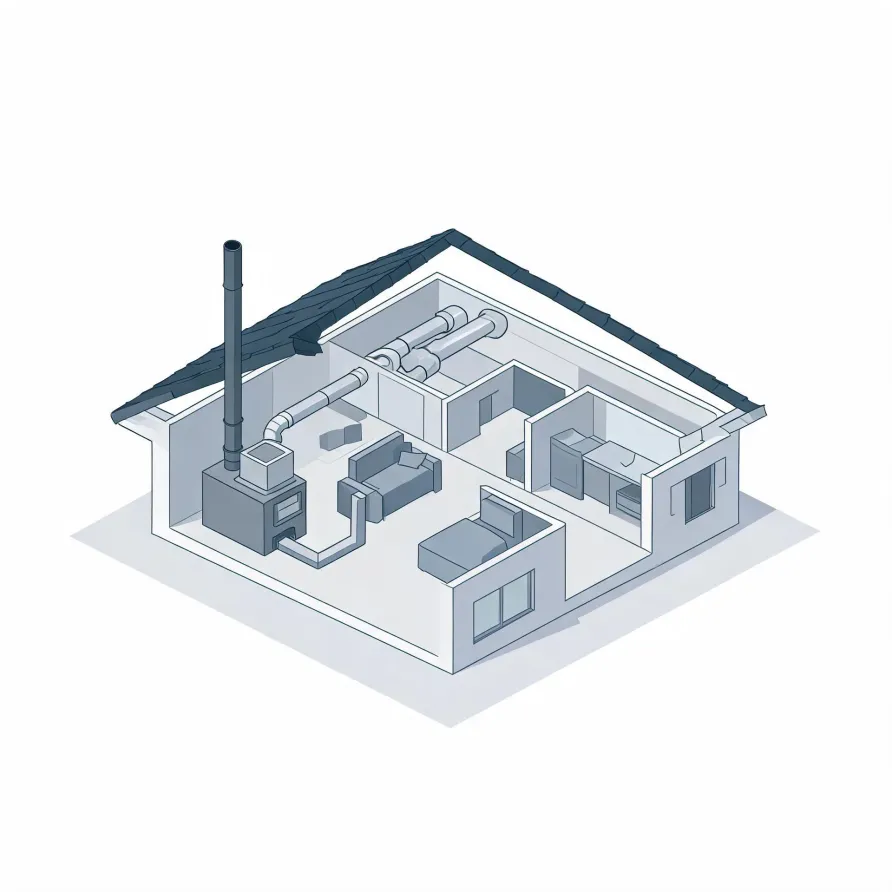
The heat exchanger sits at the core of the furnace cabinet in the mechanical room or utility space, and it is the piece a contractor looks at early when a furnace runs but heats poorly or smells wrong. The burner assembly feeds it, and a failed igniter or a cracked burner is often where a no-heat call ends.
The blower motor and its fan wheel sit in the lower half of the cabinet and push conditioned air into the supply plenum. The flue collar and draft inducer at the top of the cabinet move combustion gases out of the house, and a blocked or failing inducer is a frequent cause of shutdown faults and lockout codes.
The drawing shows a typical furnace layout, and a licensed contractor determines which parts apply to your specific system and what work those parts need.
Get matched in Monmouth CountyMonmouth County, by the numbers
326 severe weather events were recorded in Monmouth County, New Jersey between 2015 and 2024.
NOAA National Centers for Environmental Information, Storm Events Database, bulk CSV export, events 2015-01-01 through 2024-12-31.Half the homes in Monmouth County, New Jersey were built in 1975 or earlier (2020-2024 ACS 5-year).
U.S. Census Bureau, 2020-2024 American Community Survey 5-Year EstimatesMonmouth County, New Jersey holds 270,415 housing units (2020-2024 ACS 5-year).
U.S. Census Bureau, 2020-2024 American Community Survey 5-Year EstimatesOwners occupy 75.6% of the occupied homes in Monmouth County, New Jersey (2020-2024 ACS 5-year).
U.S. Census Bureau, 2020-2024 American Community Survey 5-Year EstimatesCodes & Standards Governing Furnace Repair in Monmouth County, New Jersey6 sourced rules and standards
What the Repair Visit Looks Like
Non-weatherized gas furnaces manufactured on or after November 19, 2015 must reach 80.0 percent AFUE.
Non-weatherized oil-fired furnaces manufactured on or after November 19, 2015 must reach 83.0 percent AFUE.
Mobile home gas furnaces manufactured on or after November 19, 2015 must reach 80.0 percent AFUE.
Non-weatherized gas furnaces manufactured on or after December 18, 2028 must reach 95.0 percent AFUE, up from the 80.0 percent minimum that applies to units manufactured before that date.
Licensing Rules for HVAC Repair in Monmouth County, New Jersey
In New Jersey the HVACR licence is the State's alone: a municipality, local board of health or any other agency may not issue or renew a Master HVACR contractor's licence.
New Jersey requires a Master HVACR contractor licence: no person or business may engage in the business of HVACR contracting, or advertise as a Master HVACR contractor, without being authorised under the State HVACR Contracting License Law.
Weather Stress on HVAC Equipment in Monmouth County
Heating equipment works against whatever the local climate puts it through, and in Monmouth County that workload is shaped by the weather patterns recorded here. Strain on a furnace is a local fact, and so is the repair work that follows.
326 severe weather events, 2015–2024. Source: NOAA National Centers for Environmental Information, Storm Events Database.