Tell us about the job
Takes about a minute. No obligation.
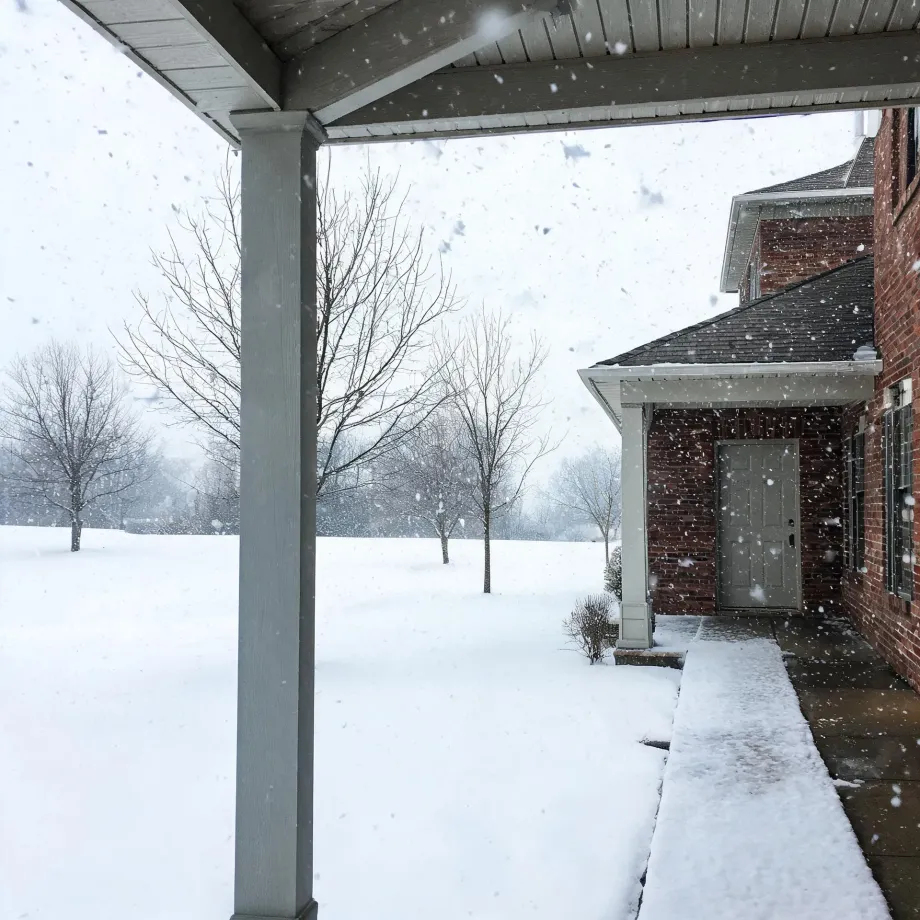
A furnace repair in Ocean County starts with the parts that do the most work. Homes in Ocean County, NJ run heat about eight months a year, from October through May. The burner, the igniter, and the heat exchanger cycle on and off through all of that, and wear concentrates there. A contractor checking a furnace that has failed mid-season will open those components first, because that is where fatigue shows up. Cracks in a heat exchanger are a safety issue, not just a performance one, so that inspection drives what the repair costs and what gets replaced.
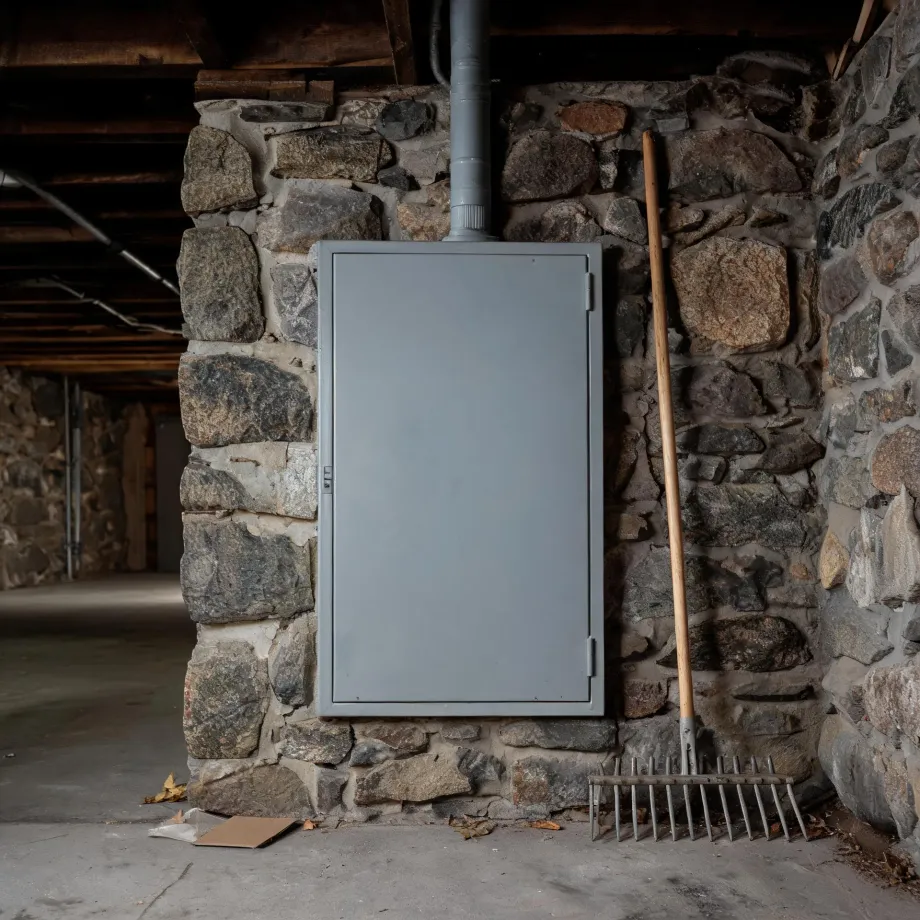
Half the homes in Ocean County, New Jersey were built in 1981 or earlier (2020-2024 ACS 5-year). A furnace that has been running through that much of its service life accumulates wear in specific places: heat exchangers crack along seam lines, burner orifices corrode unevenly, and limit switches fail in ways that can look like electrical faults until the exchanger is out and on a bench. What drives the cost of a repair in stock like this is parts availability. Older furnace assemblies draw from a shrinking pool of compatible components, and a contractor who opens the unit has to confirm what is actually inside before pricing the job.
The Parts of a Furnace a Contractor Checks First
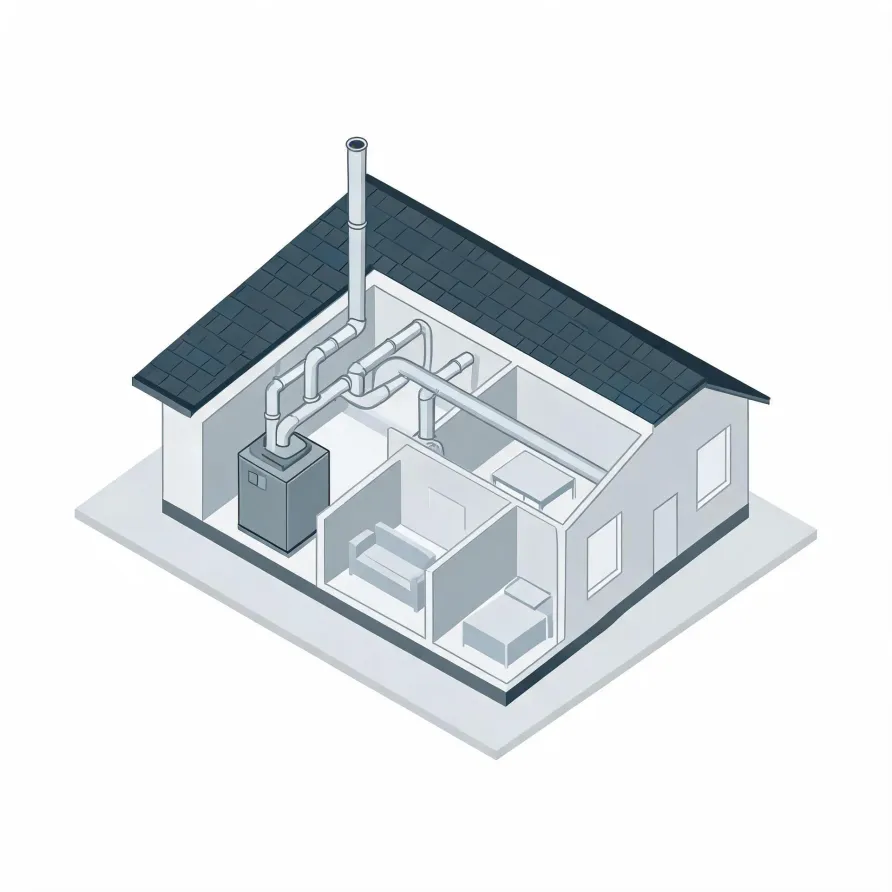
The heat exchanger sits inside the furnace cabinet in the basement or utility closet and is the piece a contractor goes to early: cracks or buildup there affect both performance and safety. The burner assembly, which feeds and ignites the fuel, sits just below it and is another common source of problems when a furnace fails to heat or fails to start.
The blower motor and its fan wheel sit at the base of the cabinet and push conditioned air out into the house. The flue or exhaust vent runs from the top of the cabinet up and out of the structure, and the control board that coordinates every other component is mounted inside the cabinet door.
The drawing shows a typical furnace layout, and a licensed contractor determines which components apply to the specific equipment and configuration in your home.
Get matched in Ocean CountyOcean County, by the numbers
354 severe weather events were recorded in Ocean County, New Jersey between 2015 and 2024.
NOAA National Centers for Environmental Information, Storm Events Database, bulk CSV export, events 2015-01-01 through 2024-12-31.Half the homes in Ocean County, New Jersey were built in 1981 or earlier (2020-2024 ACS 5-year).
U.S. Census Bureau, 2020-2024 American Community Survey 5-Year EstimatesOcean County, New Jersey holds 296,357 housing units (2020-2024 ACS 5-year).
U.S. Census Bureau, 2020-2024 American Community Survey 5-Year EstimatesOwners occupy 80.7% of the occupied homes in Ocean County, New Jersey (2020-2024 ACS 5-year).
U.S. Census Bureau, 2020-2024 American Community Survey 5-Year EstimatesCodes & Standards Governing Furnace Repair in Ocean County, New Jersey6 sourced rules & standards
What HVAC Repair Looks Like in Ocean County
Non-weatherized gas furnaces manufactured on or after November 19, 2015 must reach 80.0 percent AFUE.
Non-weatherized oil-fired furnaces manufactured on or after November 19, 2015 must reach 83.0 percent AFUE.
Mobile home gas furnaces manufactured on or after November 19, 2015 must reach 80.0 percent AFUE.
Non-weatherized gas furnaces manufactured on or after December 18, 2028 must reach 95.0 percent AFUE, up from the 80.0 percent minimum that applies to units manufactured before that date.
What Ocean County and New Jersey Require for HVAC Repair
In New Jersey the HVACR licence is the State's alone: a municipality, local board of health or any other agency may not issue or renew a Master HVACR contractor's licence.
New Jersey requires a Master HVACR contractor licence: no person or business may engage in the business of HVACR contracting, or advertise as a Master HVACR contractor, without being authorised under the State HVACR Contracting License Law.
Weather Stress on Heating Systems in Ocean County
Furnaces in Ocean County work against whatever the climate puts them through, and that workload shows up in how often equipment fails and what parts wear first. The chart below tracks recorded severe weather events in the county so you can see what local conditions look like as a baseline for repair demand.
354 severe weather events, 2015–2024. Source: NOAA National Centers for Environmental Information, Storm Events Database.