Tell us about the job
Takes about a minute. No obligation.
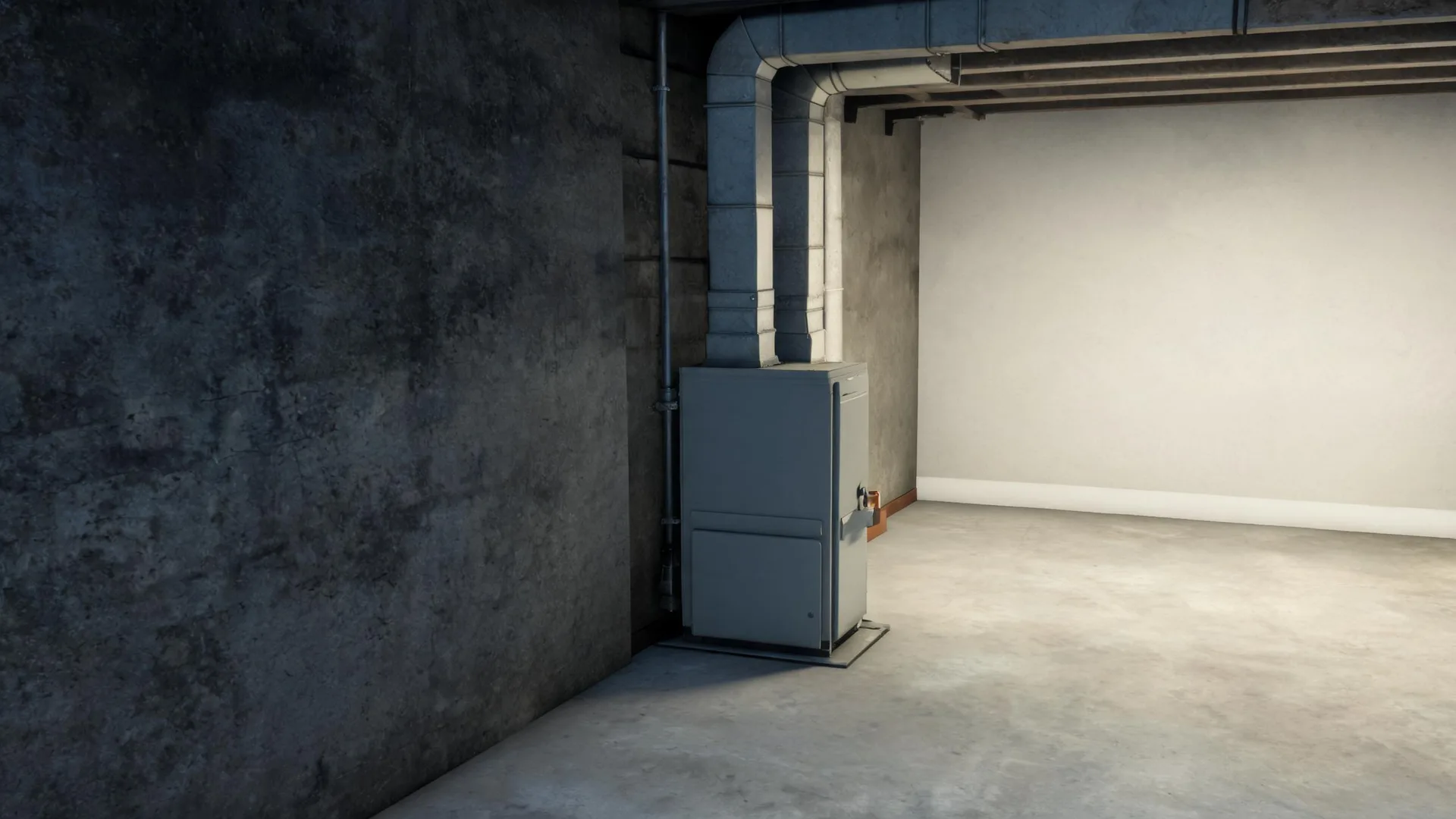
Sizing a furnace for a Warren County home means accounting for a burner and heat exchanger that cycle hard through most of the year with almost no idle time. Homes in Warren County, NJ run heat about eight months a year, from October through May. A contractor doing the load calculation here has to get the sizing right from the start, because an undersized unit runs longer per cycle to meet setpoint, which accelerates wear on the heat exchanger and ignition system far faster than the same mistake in a shorter heating climate would. The burner is the part that pays for a bad install.
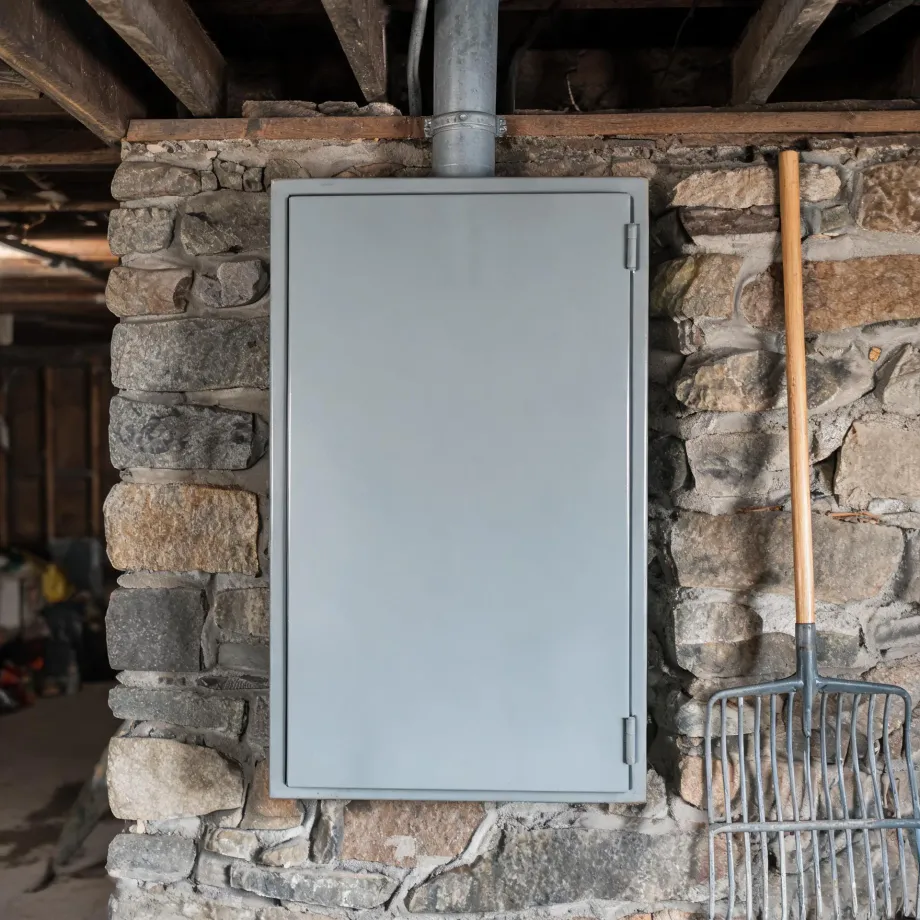
Ductwork laid out for a furnace generation that no longer exists does not automatically fit the units available today. Half the homes in Warren County, New Jersey were built in 1972 or earlier (2020-2024 ACS 5-year). That gap between what the house was built around and what a contractor can actually install shapes the whole job: trunk sizes, branch runs, and return paths all get checked against the output of a current system before a quote means anything. The electrical side carries the same question, since service capacity put in for older equipment may fall short of what a modern furnace draws.
What Gets Installed With a New Furnace
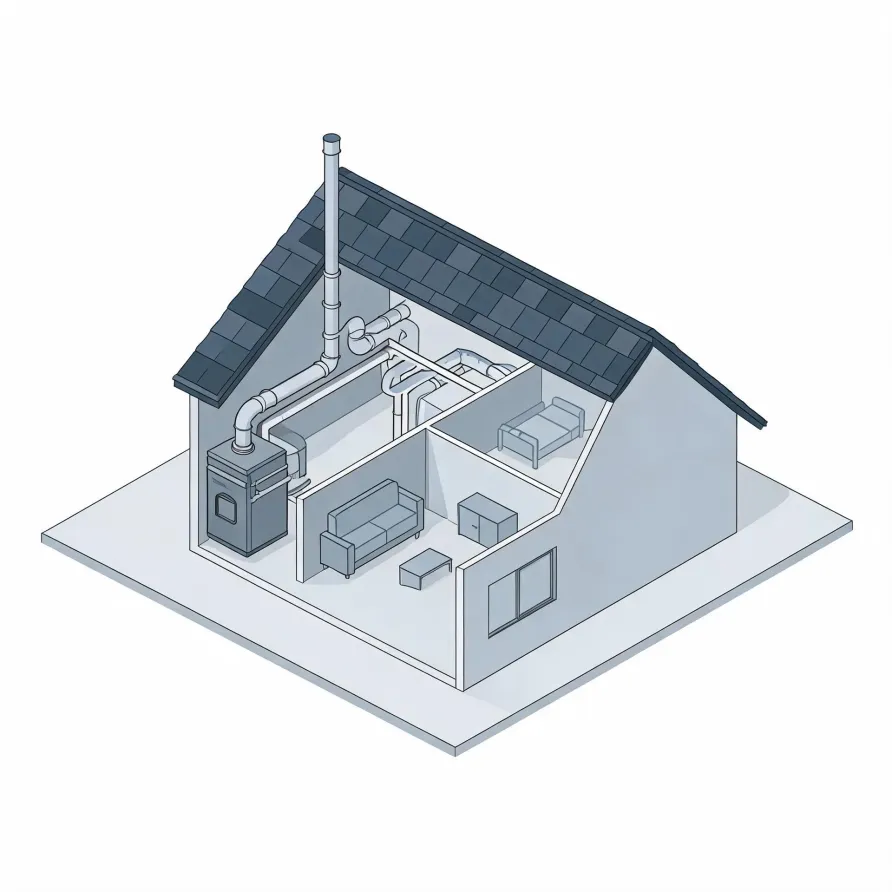
The furnace itself sits in a utility space, most often a basement, crawlspace, or dedicated mechanical closet. It is the box that generates heat. A burner assembly inside it ignites fuel, and a heat exchanger above that transfers the resulting warmth to the air that gets pushed through the house.
The blower motor sits inside the furnace cabinet and drives conditioned air into the supply plenum, a short metal chamber mounted directly above the unit that acts as the launching point for air moving into the duct runs. The flue pipe exits the top or rear of the furnace and vents combustion gases to the outside. A thermostat on a main living-area wall ties the whole system together, signaling the furnace when to fire and when to stop.
The drawing shows a representative layout, and a licensed contractor determines exactly how each piece is positioned and connected in your home.
Get matched in Warren CountyWarren County, NJ, by the numbers
199 severe weather events were recorded in Warren County, New Jersey between 2015 and 2024.
NOAA National Centers for Environmental Information, Storm Events Database, bulk CSV export, events 2015-01-01 through 2024-12-31.Half the homes in Warren County, New Jersey were built in 1972 or earlier (2020-2024 ACS 5-year).
U.S. Census Bureau, 2020-2024 American Community Survey 5-Year EstimatesWarren County, New Jersey holds 46,789 housing units (2020-2024 ACS 5-year).
U.S. Census Bureau, 2020-2024 American Community Survey 5-Year EstimatesOwners occupy 75.1% of the occupied homes in Warren County, New Jersey (2020-2024 ACS 5-year).
U.S. Census Bureau, 2020-2024 American Community Survey 5-Year EstimatesFurnace Installation Rules & Standards for Warren County, New Jersey6 codes, laws & standards
What the installation actually looks like
Non-weatherized gas furnaces manufactured on or after November 19, 2015 must reach 80.0 percent AFUE.
Non-weatherized oil-fired furnaces manufactured on or after November 19, 2015 must reach 83.0 percent AFUE.
Mobile home gas furnaces manufactured on or after November 19, 2015 must reach 80.0 percent AFUE.
Non-weatherized gas furnaces manufactured on or after December 18, 2028 must reach 95.0 percent AFUE, up from the 80.0 percent minimum that applies to units manufactured before that date.
Licensing and Legal Requirements in Warren County, New Jersey
In New Jersey the HVACR licence is the State's alone: a municipality, local board of health or any other agency may not issue or renew a Master HVACR contractor's licence.
New Jersey requires a Master HVACR contractor licence: no person or business may engage in the business of HVACR contracting, or advertise as a Master HVACR contractor, without being authorised under the State HVACR Contracting License Law.
Severe Weather Events in Warren County
Heating equipment works hardest when conditions outside push hardest against it. How often that happens in Warren County shapes what a furnace installation here needs to handle.
199 severe weather events, 2015–2024. Source: NOAA National Centers for Environmental Information, Storm Events Database.