Profile view of a bearded man wearing a black baseball cap and a dark gray T-shirt against a plain light background.

Why your furnace won't shut off in New Jersey

Step 1 of 3: Equipment

Why won't my furnace shut off?

A furnace that keeps running past the point where the house feels warm enough usually means something isn't telling it to stop. In a New Jersey winter, with the thermostat set and gas heat working overtime, that can mean a system running for hours when it should be cycling off. Before calling anyone, it helps to know what's actually keeping it on.

Usually a stuck relay, a bad thermostat signal, or a dirty flame sensor

Most of the time, the furnace isn't broken, it's being told to keep running, or something inside it can't shut off the way it should. A thermostat sending the wrong signal, a flame sensor coated with buildup, or a relay stuck closed are the usual causes. Each one does the same thing: it keeps gas and heat flowing past when the house is already warm enough. With gas heat common across New Jersey and electricity costing what it does here, a furnace that won't cycle off runs up both the gas bill and the blower's electric draw for as long as it goes unfixed. A licensed technician can tell within a short visit which of these it is, since each one shows itself differently once the furnace is open.

A gray gas furnace stands on a concrete basement floor, connected to sheet-metal ductwork, white PVC vent pipes, and a yellow gas line, with plastic sheeting covering the walls.

A newer furnace that cycles the way it should

A furnace like this, set up fresh with tight ductwork and the right gas line, reads the thermostat and shuts off when the house hits temperature. The limit switch and flame sensor are doing their job, cutting gas and blower at the right point instead of letting the burner run on.


A metal furnace with louvered panels stands against a concrete basement wall, connected to sheet-metal ductwork and a round flue pipe, with wooden framing posts and a pipe nearby.

An older unit that won't let go of the cycle

Years of dust on the burner and a flame sensor coated with buildup can stop a furnace from reading its own flame right. Instead of shutting off, it keeps firing, and in a New Jersey winter that means gas burning longer than it should on an already high bill.

Is your furnace running all night and still not keeping up?

You might notice the blower never stops, even after the thermostat should have been satisfied an hour ago. The air coming out of the vents feels lukewarm instead of hot. Some rooms stay cold while the furnace keeps pushing. You may hear the burner cycling on and off rapidly, or notice the furnace getting hot enough that it shuts down on its own limit switch, then starts again a few minutes later. Left alone, this wears down parts that weren't built to run nonstop, and with gas heat and New Jersey power rates what they are, a furnace that won't shut off is burning fuel and electricity for heat your house isn't using.

A beige residential gas furnace with white PVC vent pipes, copper and yellow gas lines, and adjacent sheet-metal ductwork stands on a concrete floor beside a plain white wall.

The thermostat is often the culprit

A furnace that won't shut off is sometimes reporting bad information. If the thermostat is mounted near a heat vent or a sunny window, it can read the room as colder than it is and keep calling for heat. Loose wiring inside the thermostat base does the same thing, sending a signal that never clears. A contractor can check this in minutes by testing the thermostat against a separate thermometer in the same room.

A gray high-efficiency furnace with white PVC vent pipes and metal ductwork stands on a concrete floor beside a plain off-white wall in a basement.

The limit switch has one job

Inside the furnace, a limit switch measures the air temperature in the plenum and tells the blower when to cycle off. If that switch fails or reads wrong because of a dirty filter restricting airflow, the furnace can run long past when the house is warm. A clogged filter makes the furnace work harder for the same heat, and over a New Jersey winter that shows up on the gas bill as well as in a furnace that won't quit.

Call a Tech Now or Watch It First

Call it in now

  • A furnace that won't shut off is running up your gas bill every hour it keeps cycling past the point the house is warm.
  • A stuck relay or a bad limit switch can let the burner keep firing longer than it should, which strains the heat exchanger.
  • A licensed tech who works on furnaces all winter in New Jersey can usually spot a failed flame sensor or a miswired thermostat on the first visit.
  • One contractor means one visit and one answer, not three different guesses from three different companies.
  • Waiting through a few more cold nights while the blower runs nonstop just adds to what you've already spent on gas.
  • A furnace that won't stop running is also one that won't stop wearing down the parts that are already stressed.

Wait and watch

  • If the furnace just started this and the thermostat is set normally, it might settle down once you adjust the setting or change the batteries.
  • A furnace running long on the coldest nights of a New Jersey winter isn't always a sign of failure by itself.
  • Watching it for a day or two can tell you whether it's constant or only happening when it's especially cold out.
  • If the blower runs but the air isn't warm, that's worth noting before anyone comes out, since it narrows down what's wrong.
  • Letting it run without checking it means living with a higher gas bill for as long as you wait.
  • A furnace that keeps running unchecked can also run through parts like the limit switch faster than it should.
A gray high-efficiency furnace in a basement with sheet-metal ductwork, white PVC vent pipes, metal plumbing lines, a condensate pump on the floor, and a window showing green trees outside.
This furnace shuts off when the house reaches temperature and sits quiet until it's needed again.
An older metal furnace with PVC and metal pipes stands on a concrete basement floor beside galvanized ductwork, with wooden stairs and a water tank in the background.
This one is running dusty and unchecked, the kind of setup where a limit switch or flame sensor finally gives out.
A dim unfinished basement with concrete walls, exposed floor joists, a small window, and a furnace connected to metal ductwork and PVC venting.

It's gone dark outside by five now, and the basement light is the only one on. The furnace sits quiet, dust hanging faint in the air where it still ticks as it cools. You came down because the house felt too warm upstairs again, then too cold an hour later, and you wanted to see it for yourself. No flame, no hum, just the smell of dust that's been sitting on the burner since last winter. You've already called two places this week and gotten voicemail, or a callback asking you to describe the problem all over again. Standing here, you're just hoping the next call is the last one you have to make.

Skip calling around

Only one pro gets your request, so you hear from one company.

No charge to send it. You decide if you hire them.

Fixing it yourself by swapping a thermostat or resetting the furnace and hoping the problem doesn't come back, then paying full gas rates all winter if it does.

Having a licensed local contractor who works on furnaces all winter check the limit switch, the flame sensor and the thermostat wiring, and tell you which one is actually failing.

A woman with shoulder-length brown hair wearing a beige knit cardigan sits in a gray upholstered armchair near a window, looking off to the side with a slight smile, with bookshelves blurred in the background.
A woman with her hair in a bun holds a sleeping young child against her chest, both wrapped in a textured beige knit blanket on a sofa in a dimly lit room with a lamp, framed picture, and bookshelf behind them.

Keep troubleshooting it yourself

You reset the furnace, swap the thermostat batteries, maybe clean the filter, and wait to see if it happens again while your gas bill keeps climbing.

Skip calling around

Have someone who knows this furnace look at it once

A licensed local contractor who services furnaces all winter checks the limit switch and flame sensor and tells you what's actually wrong, the first visit.

Skip calling around
A closed silver laptop and a ceramic mug of dark coffee sit on a wooden table in front of two chair backs, with a kitchen counter, tiled backsplash, wooden cutting boards, a vase of greenery and a potted plant by a window behind.

What's actually telling your furnace to stop

A gas furnace shuts off because the control board gets a signal that it's safe and time to stop, not because the flame burns itself out. Once the thermostat is satisfied, the board cuts power to the gas valve, the burner goes out, and the inducer motor and blower keep running a few minutes longer to pull the last heat out of the exchanger. If the furnace keeps firing past that point, the board either never got the satisfied signal or isn't acting on it. That can be a thermostat that stopped communicating, a flame sensor coated in enough residue that it can't confirm the flame is out, or a limit switch stuck in the wrong position.

Finding out which one takes opening the cabinet and testing the parts in order, not guessing from upstairs. Most homeowners end up calling two or three HVAC companies, describing the same symptoms each time, and waiting on quotes that are hard to compare because no two outfits checked the same things. A contractor who works on furnaces around New Jersey all winter has usually already seen this exact combination of symptoms and knows which part to check first.

Interior corner of a room with a window and sheer curtain at left, a gray upholstered sofa with a cushion at right, and a round wooden table holding stacked books and a round vase with an olive branch.
A basement utility area with a gray furnace, sheet-metal ductwork, pipes, plastic-covered walls, a concrete floor, and a black shelving unit holding storage bins.

Running the way it should

This furnace sits behind clean ductwork and a plain gas line, nothing fighting it. It fires, brings the house up to temperature, and the burner shuts off while the blower finishes pushing out the last of the warm air. No short cycling, no long runs past the point the thermostat called for heat.

A gray metal furnace with louvered vent panels stands on a concrete basement floor beside galvanized ductwork, gas and plastic pipes, and foil-faced insulation along the ceiling and wall.

Rust, age, and a stuck furnace

Surface rust on the cabinet like this usually comes with age on the parts inside too, the limit switch and flame sensor included. Either one can fail in a way that tells the furnace to keep firing instead of stopping. A unit this old running nonstop is burning more gas every hour it stays on.

A man with grey hair and stubble in a dark sweater sits on a grey sofa indoors, looking off to the side, with a potted plant and a sunlit window behind him.
A man with gray hair, a beard and glasses, wearing a dark green sweater, sits on a gray sofa in a sunlit living room with a potted plant, table lamp and wooden sideboard behind him.
A middle-aged man with graying hair and a short beard sits on a blue sofa in a living room, looking toward a window, with a bookshelf, lamp and framed picture in the background.
A man with graying curly hair and a dark green sweater sits on a gray sofa in a sunlit living room, looking off to the side, with a framed picture, shelving, an armchair and a window with sheer curtains behind him.
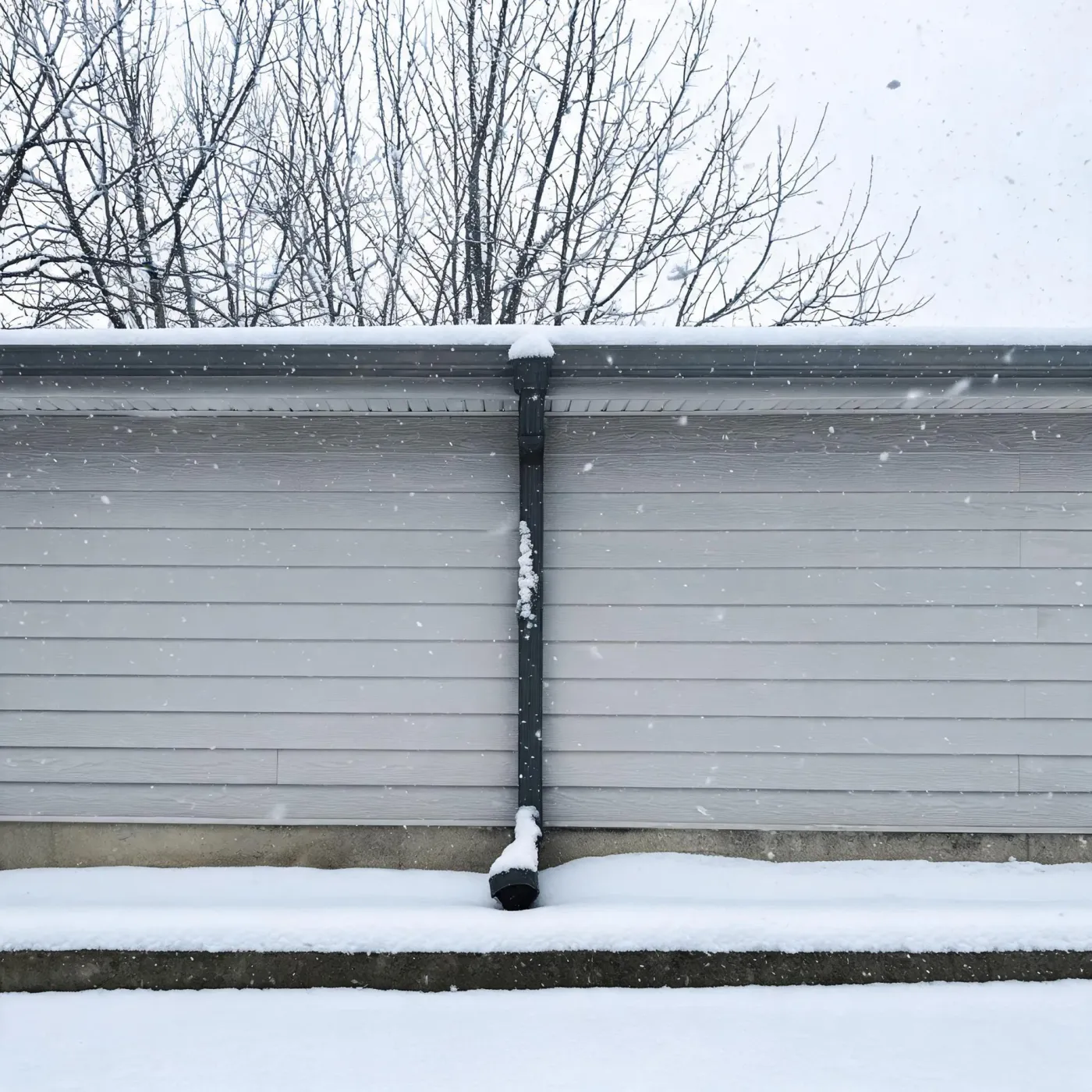
Exterior wall of a building with light gray horizontal siding and a dark downspout running to the ground, with snow on the roofline, steps, and ground, and bare trees behind during falling snow.

New Jersey winter nights average 26°F, according to NOAA climate data. That's cold enough that your furnace is firing often, sometimes most of the night, to keep the house where you set it. If something's already wrong, like a stuck relay or a bad limit switch, that long runtime is exactly when it shows. A furnace that might limp along fine on a mild 45°F day can run nonstop once it has to fight a night in the 20s. You'll notice it in the sound, the blower going long after it should have quieted down, and you'll notice it on the gas bill at the end of the month.

NOAA nClimDiv 1991-2020 county normals weighted by homes

A beige furnace with two access panels stands against a concrete basement wall, with galvanized sheet-metal ductwork, a white PVC pipe, flexible conduit and insulated ducting around it.
Before you get your furnace repair
A gray furnace with white PVC vent pipes stands beside sheet-metal ductwork in a basement with a smooth concrete floor, exposed wood framing, and plastic sheeting on the walls.
After you get your furnace repair

Winter nights average 26°F statewide

At 26°F overnight, your furnace is cycling on and off for hours at a stretch to hold the house steady. A switch or sensor that's already failing gets no rest on a night like that, and the strain shows up fast.

NOAA nClimDiv 1991-2020 county normals weighted by homes

  1. Thermostat senses the room is below the setpoint and calls for heat.

  2. Control board opens the gas valve and sparks the igniter.

  3. Flame sensor confirms burn and keeps the gas valve open.

  4. Blower pushes warm air through the ducts into the house.

A furnace that won't shut off almost always comes down to a switch or sensor that stopped doing its job, and that's not something to leave alone through a New Jersey winter. The fix is a repair, not a new thermostat or a reset you keep repeating. When you request help through this page, it goes to one licensed contractor local to you, not a handful of companies competing for the callback. Someone who services furnaces all winter in this area has seen this failure before, in houses with the same gas heat setup as yours, and knows where to check first. You explain the problem once, to the person who's actually coming to look at it. No sorting through quotes, no repeating yourself to a second or third company while the furnace keeps running and the gas bill keeps climbing. The house will tell you when it's fixed: the furnace reads the thermostat right, fires when it should, and goes quiet when the house is warm.

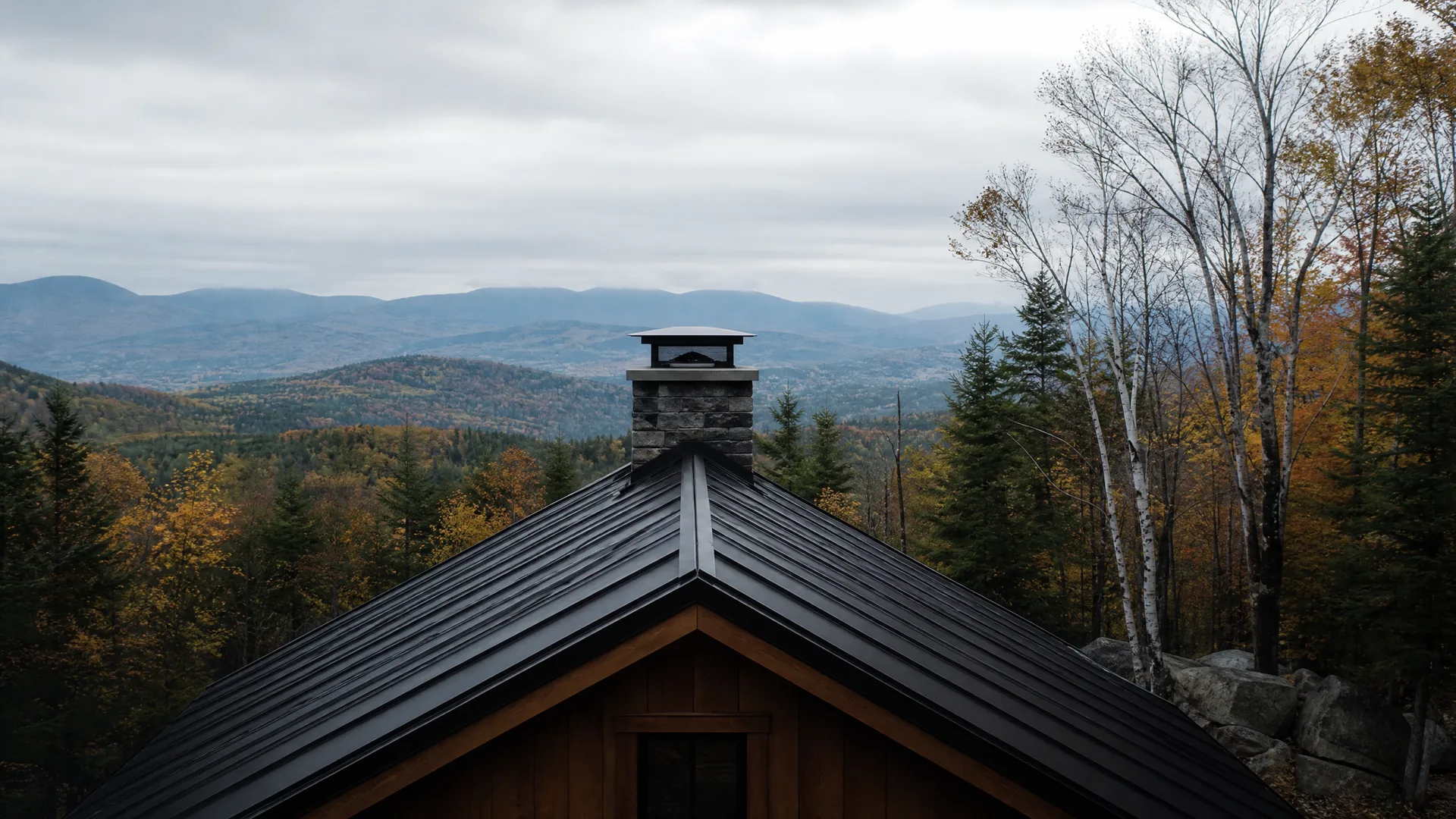
Elevated view over a dark standing-seam metal roof with a stone chimney and wood-sided gable, surrounded by conifers and autumn-colored trees with forested hills under an overcast sky.

No phone calls to make

Fill out one form

You only hire the pro if you want to.

A furnace that won't shut off doesn't fix itself by morning. One visit from a local contractor who already knows gas furnaces, instead of calling around town yourself and explaining the same problem twice, gets the limit switch or sensor checked before another cold night runs the burner longer than it should.