

Running the way it should
The condensate line stays clear, so water moves from the heat exchanger to the drain without stalling. The cabinet stays dry, the floor around it stays dry, and the PVC pipe does its job without anyone thinking about it.
You went to check on the furnace and found water pooling underneath it or dripping from the unit. It's not something you expected from a heating system, and it's worrying, especially on a cold night when you need it running. You want to know where the water is coming from before it causes more damage or the furnace shuts itself off.
A high-efficiency gas furnace, the kind most New Jersey homes run, produces condensation as it burns fuel, and that condensation has to go somewhere through a drain line and a trap. Water shows up on the floor when that line clogs, cracks or was never sloped right to begin with, or when the condensate pump that's supposed to push the water out fails. A cracked heat exchanger can also let moisture collect, though that's less common. Either way, the furnace may shut itself down on purpose rather than keep running with water backing up, which is the unit protecting itself, not a sign the problem will go away on its own.
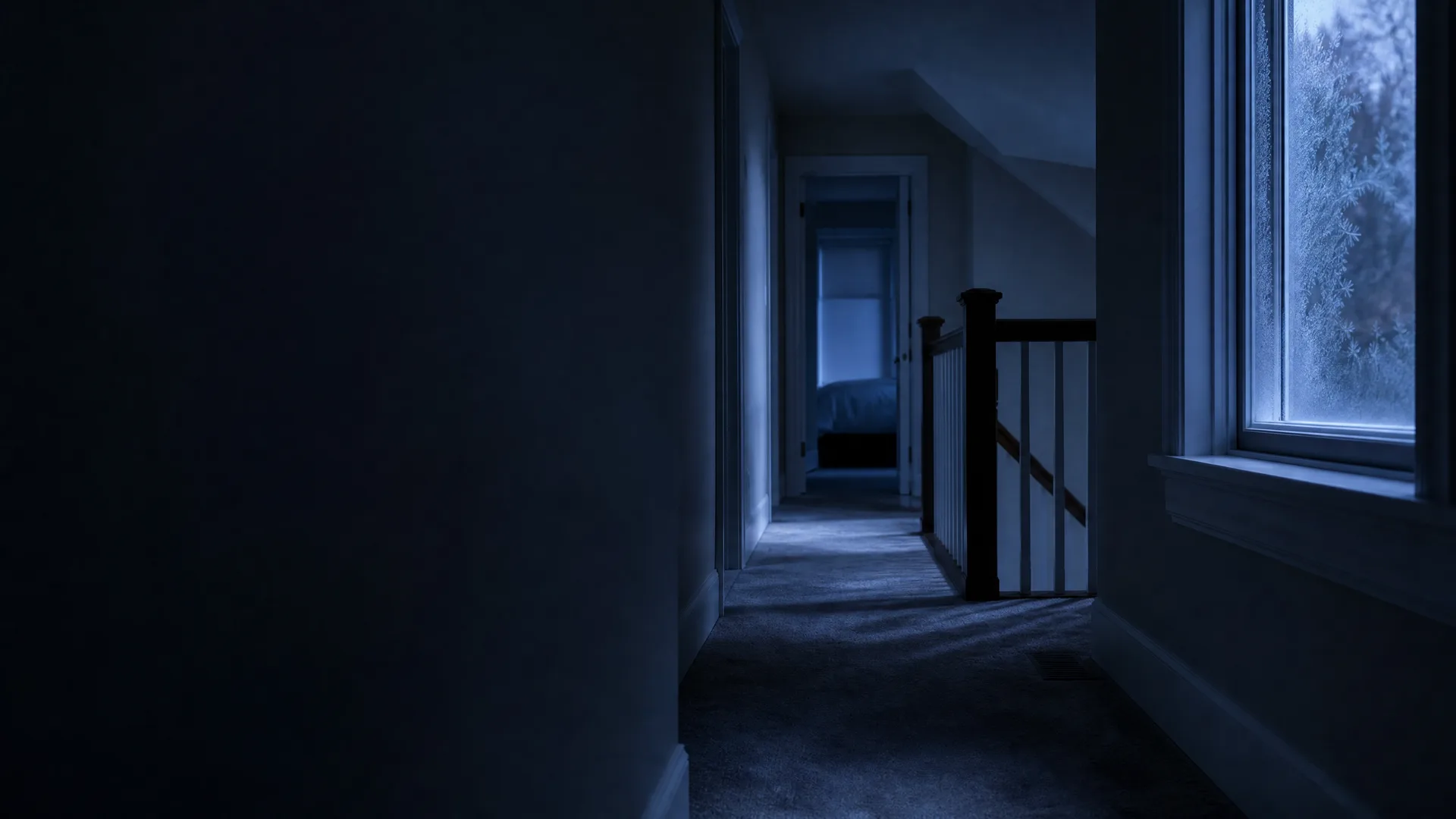
You wake up at two in the morning because the house feels wrong. The hallway floor is cold under your feet, and when you crouch by the vent, no air moves against your hand. Outside the window, frost has crept up from the corners of the glass. Downstairs, the furnace sits quiet except for a faint dripping sound, water collecting somewhere underneath it. You stand there in the blue dark, listening to a house in New Jersey in January that isn't heating, doing the math on how long until morning and whether the pipes upstairs are next.
A puddle under the furnace looks small at first. Then you notice the cabinet has a rust streak down one side, or the drywall near the unit has gone soft, or there's a musty smell in that part of the basement that wasn't there last winter. If the furnace sits near the electrical panel or on a finished floor, that water doesn't stay contained. Left alone, it can corrode the furnace's own components from the inside, which turns a repair into a replacement. It can also warp flooring, stain a ceiling below, or feed mold in a space that's already damp for half the year. None of that happens overnight, but every night you run the furnace without checking is another night the leak keeps going.
Flue gases cool fast in the condensing furnace's secondary heat exchanger.
That cooling turns the exhaust's water vapor back into liquid water.
The condensate drips down into a drain pan under the heat exchanger.
A drain line carries the water from the pan to a floor drain or pump.




A leaking furnace in a New Jersey basement doesn't fix itself, and it doesn't wait for a convenient week either. The drain line or the condensate pump is going to need a hand, and that means finding someone who knows condensing furnaces, not just any handyman with a wrench. Left on your own, that's a string of calls to companies that don't answer, or answer and can't come out before next week, then back-and-forth quotes you have no way to judge, then explaining the same puddle and the same rust streak to each new voice on the phone. Cold nights don't leave much patience for that. Send this request and that whole search stops being yours to carry. One contractor who works on furnaces like yours gets your information and reaches out, and from there the water under the furnace is someone else's problem to solve, not yours to keep checking on.
A condensing furnace vents through PVC pipe instead of a metal flue, because the exhaust has already given up most of its heat by the time it leaves the secondary heat exchanger. That exhaust is cool enough that metal venting isn't needed, but it also means the water vapor in it has further to travel before it escapes the house. Any low spot in that PVC, any joint that's come loose, any spot where the pipe pitches the wrong way, gives the condensate somewhere to collect instead of draining out. The furnace doesn't know the pipe is holding water. It keeps firing, keeps producing more condensate, and the low spot keeps filling until it backs up into the cabinet.
Most condensing furnaces have a pressure switch built to shut the unit down when the drain line or trap is blocked and condensate backs up too far. When that switch is working and wired right, a clogged line usually means a furnace that stops running, not one that floods the basement. A furnace that keeps firing while water collects underneath it is a sign that switch either failed or was never catching the blockage it's there for. That's not something to test by guessing. It's a reason to have someone check the switch itself along with the drain line and the trap, instead of just clearing the clog and hoping it holds.



The condensate line stays clear, so water moves from the heat exchanger to the drain without stalling. The cabinet stays dry, the floor around it stays dry, and the PVC pipe does its job without anyone thinking about it.

Rust has started on the cabinet, and the drain line or pump behind it isn't keeping up anymore. Water backs up, finds the louvered vents, and ends up on the concrete pad instead of in the drain where it belongs.


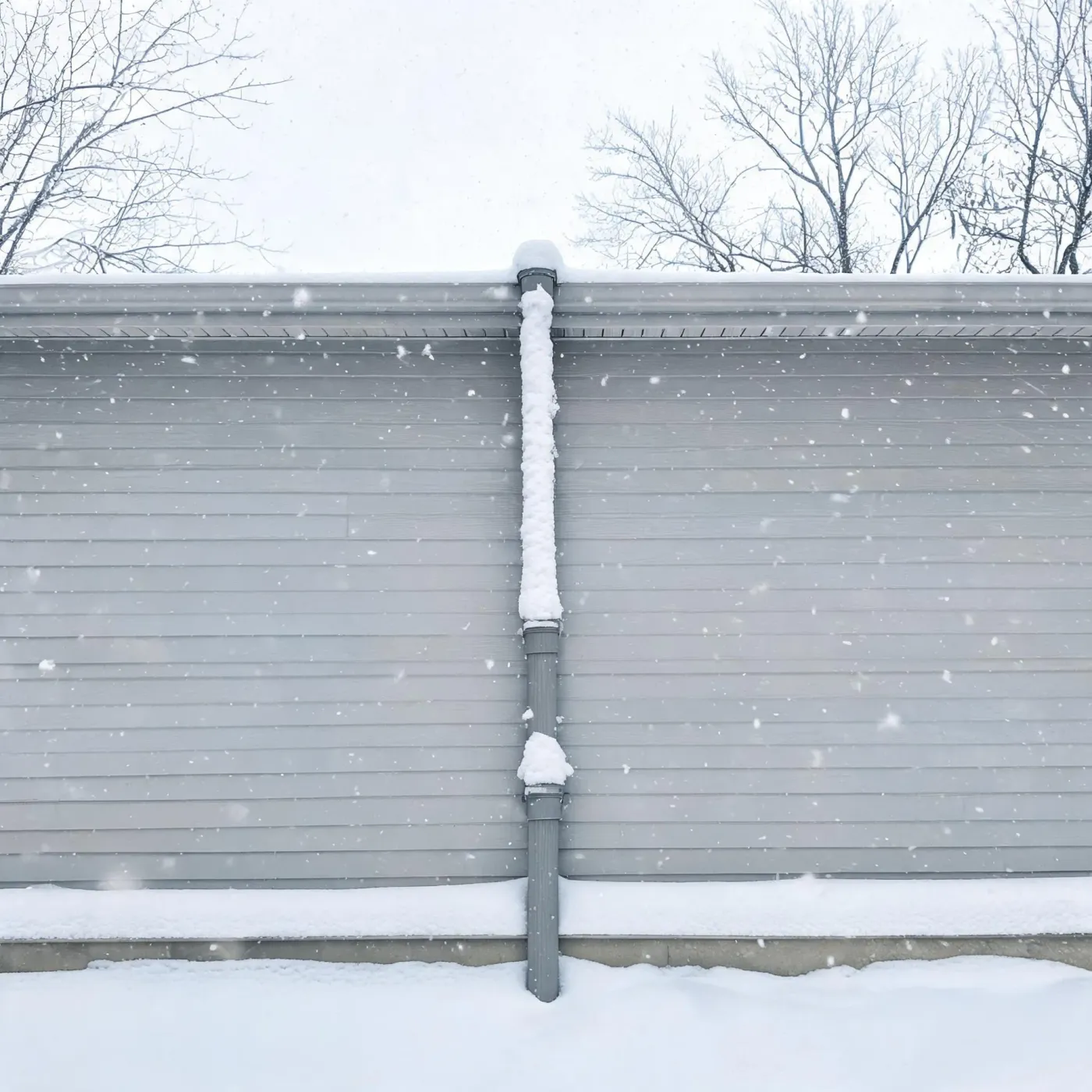
New Jersey winter nights average 26°F across the state, according to NOAA climate data. That's cold enough for your furnace to run long stretches without stopping, especially overnight when the house loses heat fastest. A condensing furnace that runs that much produces more condensate, so the drain line and condensate pump are handling more water on a cold night than they would on a mild one. If that line has even a partial clog, a hard freeze stretch is when it backs up and you find water on the floor. The furnace running harder doesn't cause the leak by itself, but it's usually what turns a slow drip into a puddle you notice.
NOAA nClimDiv 1991-2020 county normals weighted by homes
A leaking furnace comes down to water that isn't draining the way it should, whether that's a clogged condensate line, a cracked drain pan, a failing condensate pump, or a blocked PVC vent sending exhaust the wrong way. Finding which one it is means someone opening up the cabinet and tracing the line, not guessing from the basement stairs. You don't have to be the one who tracks down that someone. You could spend the next few evenings calling around New Jersey, explaining the same puddle under the same furnace to every contractor who picks up, then sitting with three quotes trying to work out who actually knows condensing furnaces and who's just willing to show up. Or you could send the form once and let that search be someone else's job for a while. The water under your furnace still needs a hand on it. But finding the hand doesn't have to be yours to do, not tonight, not after you've already lost sleep over a cold house once this winter.
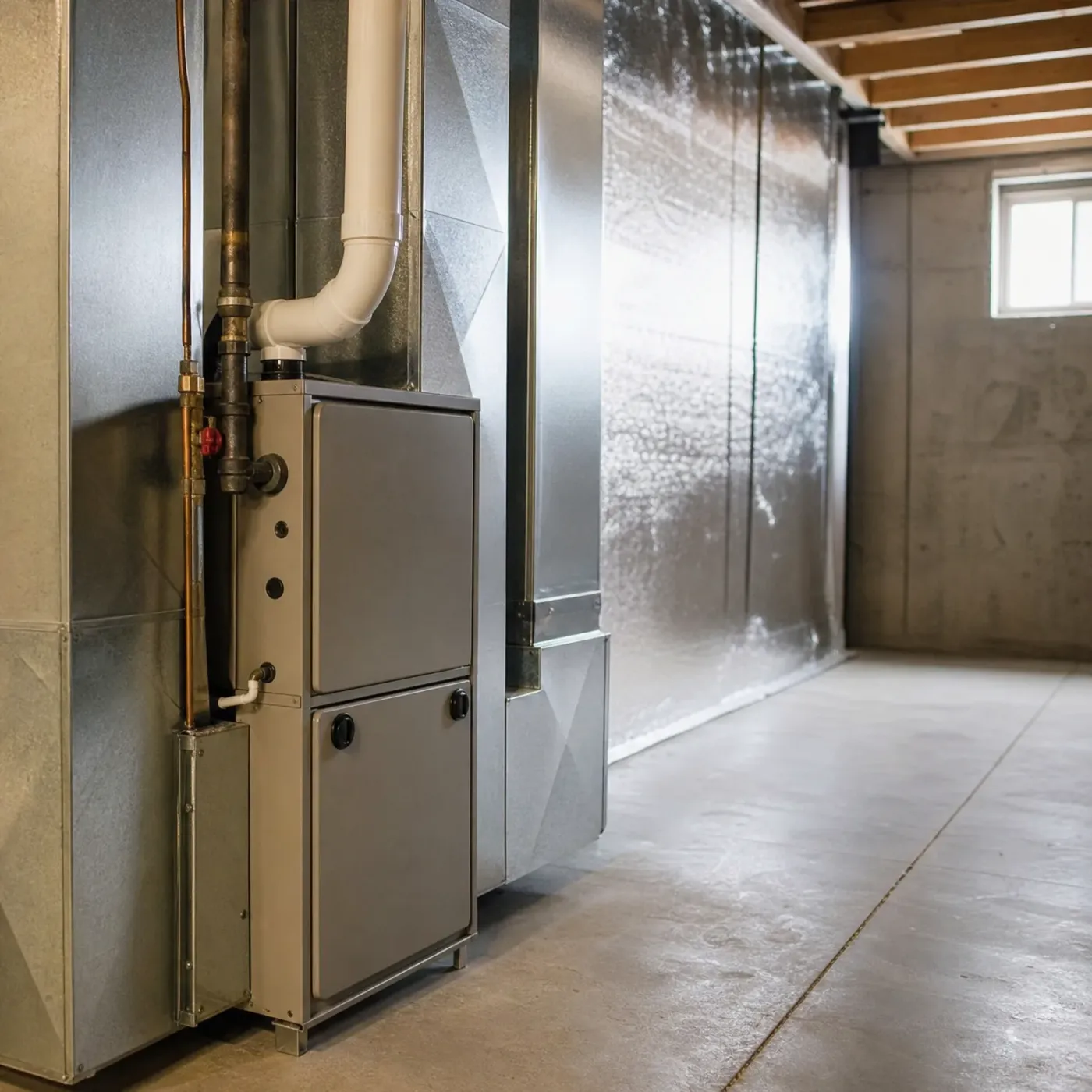
One form replaces the calls you'd make to find a furnace pro.
There's no charge for the request.