When a furnace flame sensor needs cleaning in New Jersey
Send the form, and lining up the furnace tune-up stops being yours to chase.
A furnace flame sensor usually needs cleaning once a year, before the cold months start asking a lot of it. In New Jersey that means getting to it sometime in fall, ahead of the first real cold snap, since most homes here run gas heat from around October through March.
You can tell the sensor needs attention without opening anything up. The furnace fires, runs for a few seconds, then shuts off. It tries again, same thing. That short cycling is the flame sensor telling you it can't see the flame through the soot that's built up on it. Left alone, the furnace will eventually stop staying lit at all, usually on the coldest night it picks.
A flame sensor is a small rod, easy to miss if you don't know where to look, and easy to damage if you clean it the wrong way. A contractor who services furnaces in New Jersey every fall knows the models that build up soot fastest and the ones that rarely give trouble at all. That's the kind of thing you only learn from doing it on hundreds of furnaces, not from a manual.
With power here costing what it does, a furnace that short cycles all night isn't just annoying. It's burning gas and electricity to run a blower that never gets real heat out of it.
Once you send the request, you're done with the part that usually takes the longest, which is finding someone who actually knows this furnace and has time for it. A local contractor picks it up from there, and you're not stuck juggling calls from five different companies trying to figure out who to let in your house. One contractor, matched to your furnace and your town, takes it from here.
How do I know when my furnace flame sensor needs cleaning?
You've noticed your furnace running in short bursts, shutting off a few seconds after it fires, or not staying lit at all. It might cycle on, run for a moment, then quit, then try again. You're not sure if that's the flame sensor asking for a cleaning or something else going wrong, and you'd rather catch it now than find out on a cold night in December.
Short cycling is the sign to watch for
A dirty flame sensor can't tell the burner that a flame is lit, so the furnace shuts the gas back off within seconds of starting. If your furnace fires, runs briefly, then stops and tries again, soot has likely built up on the sensor. The furnace isn't broken. It's doing what it's built to do when it can't confirm a flame, which is shut off rather than keep feeding gas. In New Jersey, that pattern tends to show up early in the heating season, once the furnace has been running steadily for a few weeks and whatever's in the ductwork and burner area has had time to coat the sensor. Catching it at the first sign of short cycling, rather than waiting it out, keeps you from losing heat on a night you need it.
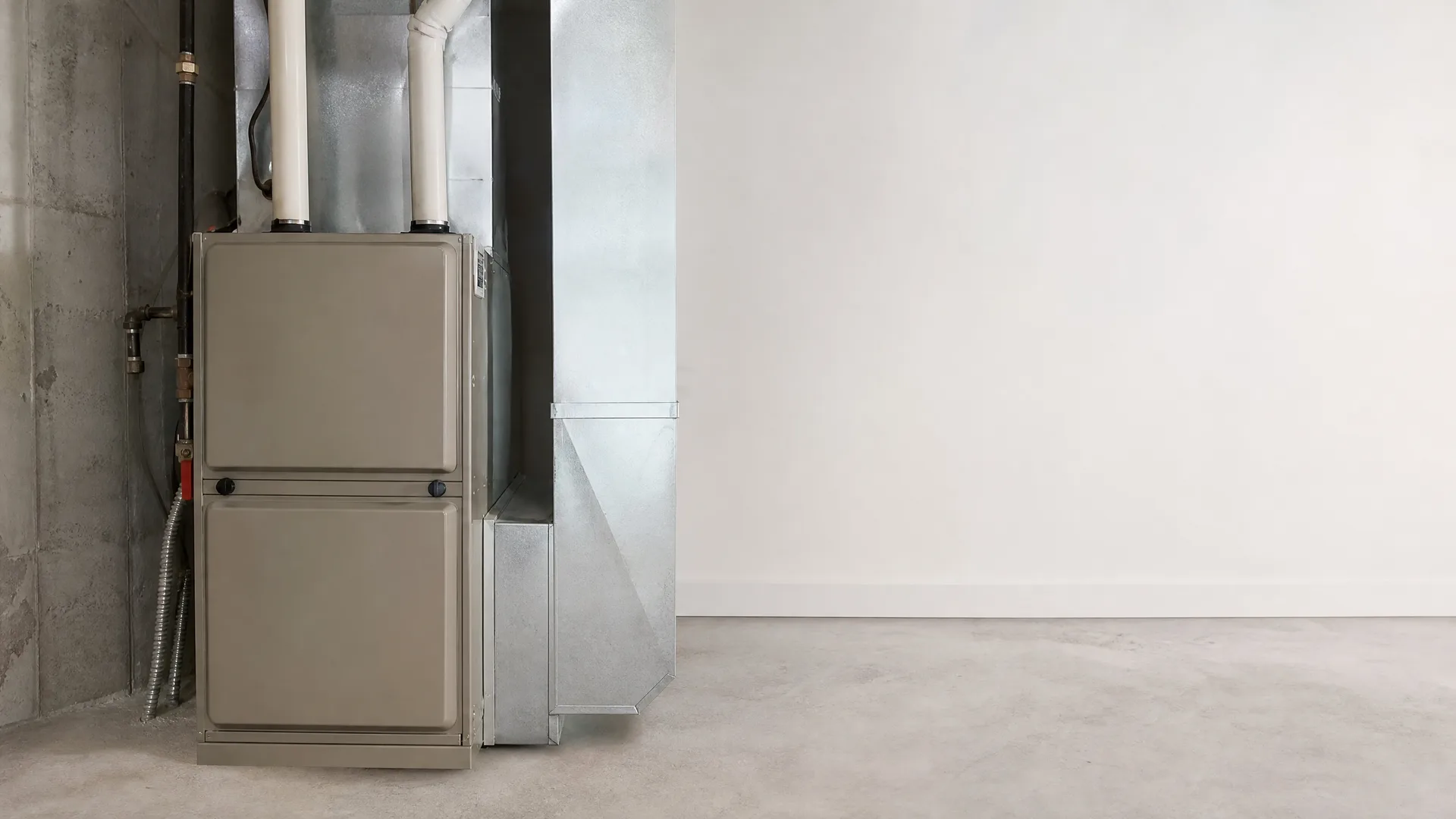
A clean flame sensor lets the furnace catch and hold flame right through the burn cycle, heating the house the way it should.
A dirty flame sensor makes the furnace second-guess its own flame, shutting the burners down again and again until it quits for good.
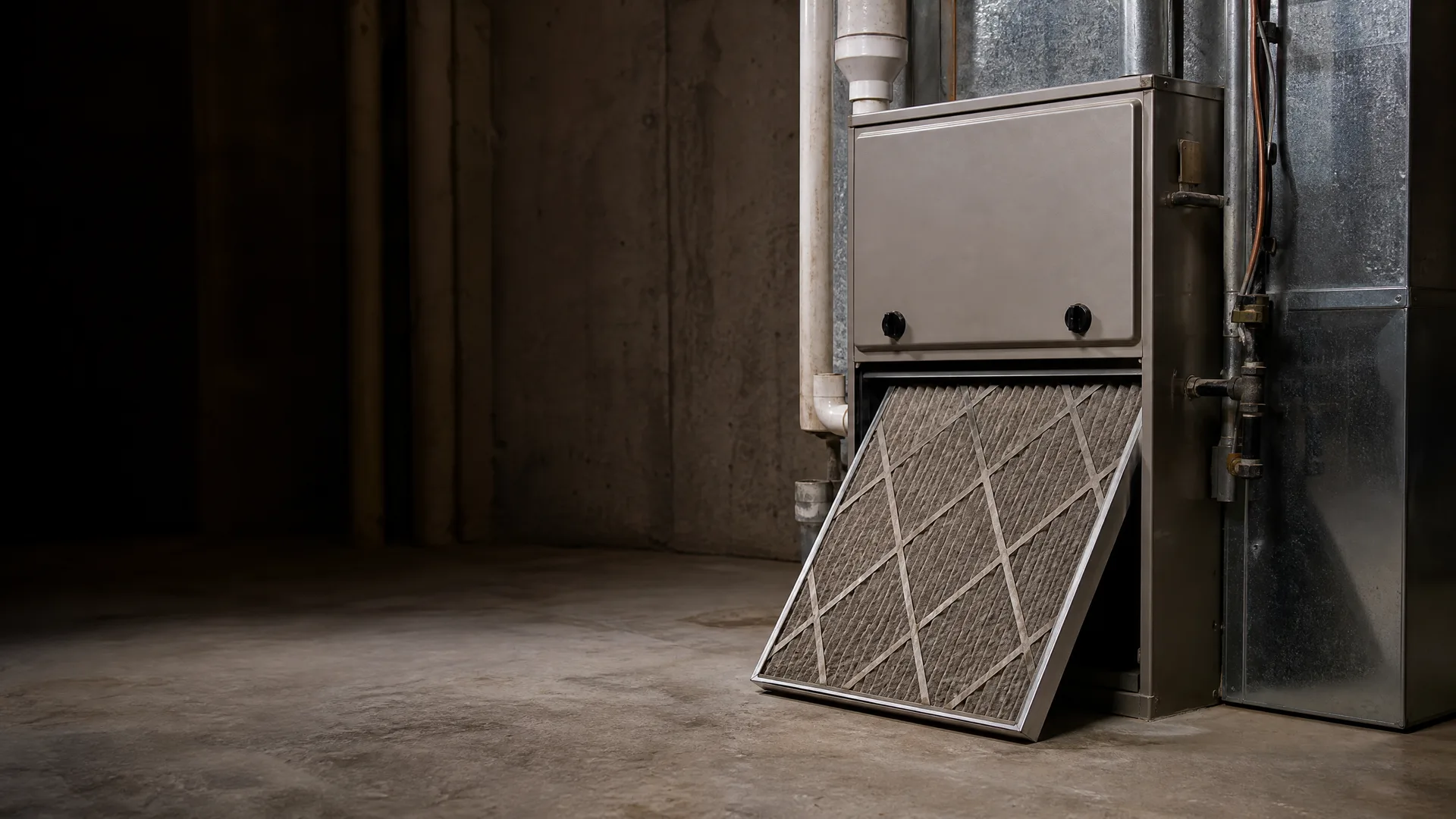
You're down in the basement on an October afternoon, filter half pulled out of its slot, grey with a year's worth of dust. Upstairs it's gone from mild to that first real chill, and you've already heard it: the furnace kicking on, running a few seconds, cutting off, trying again. You pull the filter the rest of the way and set it aside, then crouch down by the burner compartment. It's the sensor you're after, the short metal rod sitting in the flame path, coated enough now that it can't tell the furnace the flame is lit. You get the cover off and look at what you're dealing with before you decide whether this is something you can finish yourself tonight.
A licensed local pro takes the request for your furnace tune-up.
There's no charge for the request.
What the sensor actually does
The flame sensor is a thin metal rod that sits right in the burner flame. It works by proving to the control board that a flame is actually there. A coat of soot or oxidation on the rod cuts that signal down. The board waits for proof, doesn't get enough of it, and shuts the gas valve as a safety step. Clean metal reads the flame correctly. A dirty rod reads almost nothing, even with fire sitting right on it.
A small part with one job
Most flame sensors are no longer than a few inches, and the working end is smaller than a pencil. There's no adjustment to make and no setting to check. It either reads the flame or it doesn't. That's why cleaning it is usually quick work for someone who does it regularly, and why a sensor that's been skipped for a couple of years often needs more than a light wipe to read right again.
Is this why the house feels colder than it should?
You've got the thermostat set where it always is, but the air coming out of the vents feels lukewarm, or the rooms farthest from the furnace never quite catch up. You might hear the burners click on and off more than they used to, three or four tries before the furnace gives up and locks out. Some nights it just stops running altogether and you reset it at the panel to get another hour out of it. With gas heat running the house from October through April here, a furnace that won't hold flame means pulling out space heaters or layering on blankets, and your gas bill climbing from all the restarts while the rooms stay cold anyway.
Sensor clean, running right
The furnace fires and stays lit. Burners catch on the first try and hold through the whole cycle, pushing warm air out every vent until the thermostat's satisfied. No short cycling, no cold spots. This is what a flame sensor wiped clean once a season buys you.
Sensor coated, losing the flame
This furnace fires, runs a few seconds, then quits, tries again, quits again. The rod can't prove a flame to the control board anymore, so the board shuts the gas off rather than guess. Left alone, it locks out and leaves the house without heat.
Before you get your furnace maintenanceAfter you get your furnace maintenance
You clean the flame sensor yourself with steel wool or a fine abrasive pad, get the soot off, and the furnace holds flame again for a while. It's a fix you can do with what's in a junk drawer.
A furnace tech checks why the sensor fouled in the first place, whether it's a cracked heat exchanger, a dirty burner, or bad airflow, before cleaning it. One of those left alone just dirties the sensor again by December.
Winter nights average 26°F statewide
On a 26°F night, a furnace that short cycles on a dirty sensor can't keep up, it's firing and quitting over and over instead of running the steady burn your house needs. That's the kind of night a fouled sensor costs you the most.
NOAA nClimDiv 1991-2020 county normals weighted by homes
A fouled flame sensor is a once-a-year clean, best done in fall before the furnace has to run hard. Short cycling, burners quitting a few seconds in, a house that never quite warms up through the vents, that's what the soot on that rod does to a gas furnace. It's a small part, but it decides whether your furnace runs the whole burn cycle or keeps giving up and trying again. You can clean it yourself with steel wool if you're willing to get into the burner compartment. Otherwise it's a quick check for a tech who already knows what a New Jersey furnace looks like after a summer of sitting idle. Either way, once it's clean, the furnace stops arguing with itself and just runs, which matters on the nights when it's asked to run steady for hours at a stretch. You know the symptoms now. What's left is getting the sensor clean before the cold settles in for good.
Furnace Maintenance
It's off your list after this
Your request goes to one pro, not a list of companies.