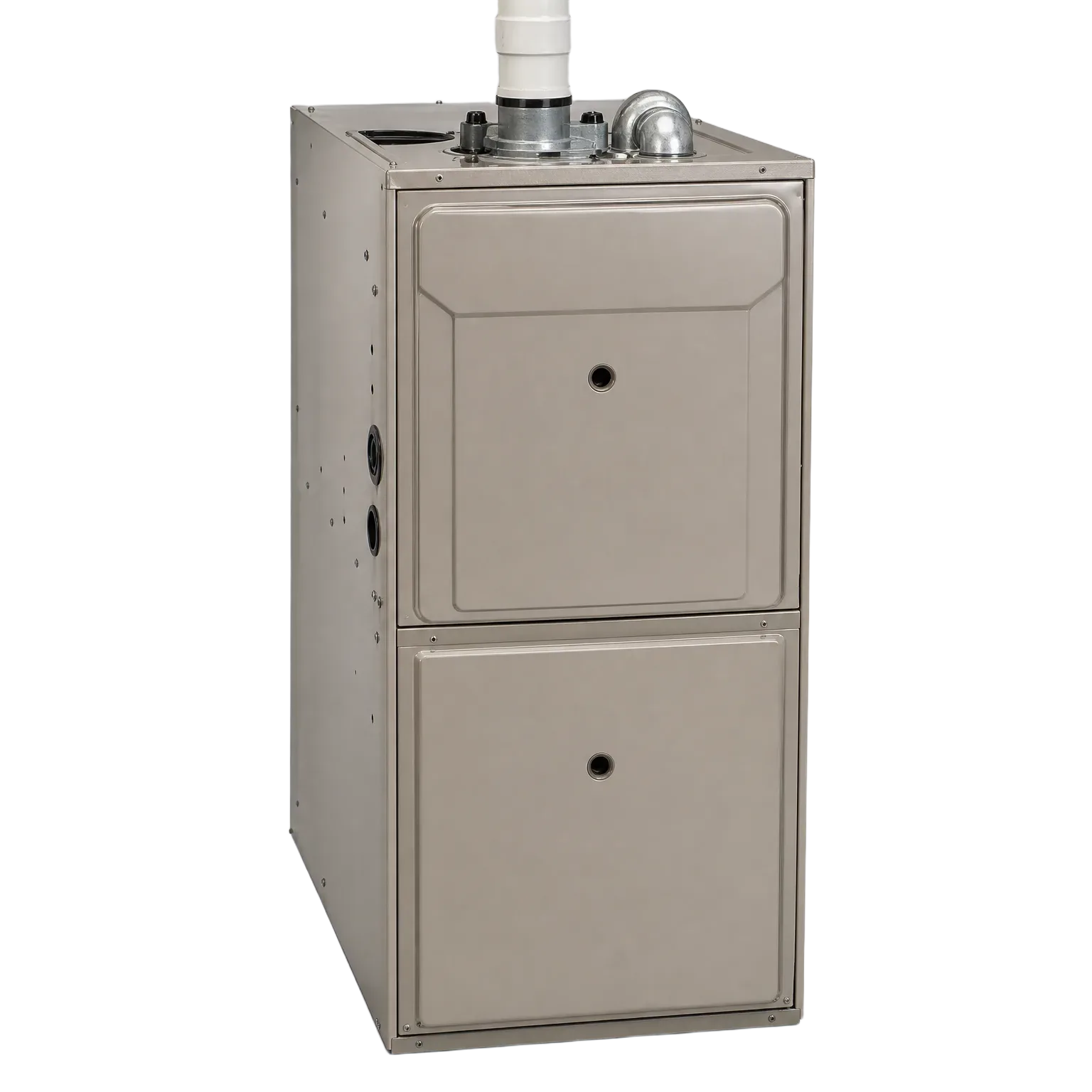
Sized right, running clean
A correctly sized furnace cycles on, brings the house to temperature, and shuts off. No stage runs longer than it has to, and the ductwork overhead moves that heat evenly to every room it's tied to.

A furnace that's too big or too small for your house never runs right, and you're probably trying to get a number before a contractor comes out, or just want to know if the last one was sized correctly. There isn't one size that fits every New Jersey house, since it depends on how big the house is and how well it holds heat, not just the zip code.
A contractor sizes your furnace by figuring out how fast your house loses heat on the coldest days, called a Manual J calculation. That number depends on how much wall and window area you have, how much insulation is behind the drywall, and how airtight the place is, not just the square footage. Two houses of the same size in the same New Jersey town can need different furnaces if one has more windows or less insulation. A furnace sized by square footage alone often ends up too big, and an oversized gas furnace short cycles, meaning it turns on and off more than it should instead of running a steady, longer cycle. That wears out parts faster and leaves rooms feeling uneven, some too warm and others never quite warm enough.

A correctly sized furnace cycles on, brings the house to temperature, and shuts off. No stage runs longer than it has to, and the ductwork overhead moves that heat evenly to every room it's tied to.

Rust on the cabinet and a flue pipe working harder than it should are signs of age, but an oversized or undersized furnace wears the same way faster. It short cycles or runs long, and the gas piping and ductwork around it stay stressed longer than they need to.




Sizing a furnace isn't a guess based on how many square feet your house has. A contractor runs a Manual J load calculation, which accounts for your insulation, how many windows you have, and your ceiling height, then lands on a BTU number that matches how much heat your house loses on the coldest day winter brings. That output number, not the input number printed on the same nameplate, is what has to match your home's heat loss. Get it wrong in either direction and the furnace shows it. Too big, and it fires, hits the thermostat's setpoint fast, and shuts off before it's had time to pull moisture out of the air or push heat evenly into every room. Too small, and it runs long stretches without stopping and still falls behind on the coldest nights. There's a third piece people miss: your ductwork was sized to move a specific amount of air. Swap in a furnace with a different output than the one it replaced, and that ductwork can end up starved or overloaded, no matter how correct the BTU math was on paper.


An oversized furnace heats your house in short, hard bursts, and you'll feel it as a room that overshoots warm then goes cold again before the next cycle kicks in. That short cycling wears on the igniter and the blower motor, since both get more starts and stops than they're built for over a winter. An undersized one does the opposite: it runs long stretches trying to catch up on a cold January night and still leaves back bedrooms short of what the thermostat says. Either way your gas bill reflects it, and with electricity rates in New Jersey as high as they are, a blower motor running more hours than it needs to adds up over a heating season. The furnace also shares ductwork with your central air, so a unit sized off a guess rather than a load calculation can leave that same strain showing up in July, not just January. None of this shows up on day one. It shows up as a repair call in year three or four, for a part that failed early because the furnace was never matched to the house it's heating.


One installer gets your project, so there's no bidding war over it.
You only hire the pro if you want to.
Two houses at the same square footage can call for different furnace sizes once you account for how much glass they have, how high the ceilings run, and how well the attic and walls hold heat. A contractor doing the Manual J calculation also factors in your local design temperature, the coldest outdoor temperature your furnace needs to be able to handle to keep the house at setpoint on the worst night of a New Jersey winter. Skip that step and you're sizing on a guess, even if the square footage is right in front of you.
The rating plate on your furnace lists its input and output in BTUs per hour, and that's the number a contractor checks against the load calculation for your house, not against the furnace that happened to be there before. A furnace installed for a smaller addition or carried over from a prior owner's system may never have matched the house it's heating. If you've got the model number off that plate, a contractor can tell you what it's rated for before they even open the cabinet, and compare it against what your house actually calls for.
At 26°F, a furnace sized right still has to run long stretches most winter nights to hold your house at temperature. One sized too small will fall behind on the coldest nights and never quite catch up.
NOAA nClimDiv 1991-2020 county normals weighted by homes

An undersized furnace means rooms on the far end of the house stay cold on the worst nights, and the thermostat never quite reads what you set it to. An oversized one burns through gas in fast bursts and leaves the air feeling clammy, since it never runs long enough to even out the house. Either way you notice it on the gas bill, and with electricity rates in New Jersey among the highest in the country, a blower motor or inducer that's working harder than it should adds up over a winter.
Getting the size right the first time means a Manual J calculation done for your specific house, not a guess based on the last furnace that was in there. That's a job for a contractor who already knows which New Jersey homes run long on load because of ceiling height or window count, not a handful of companies bidding off a phone description. One licensed local contractor, sized against your house, means you explain it once and get a number you can check against what's already installed.

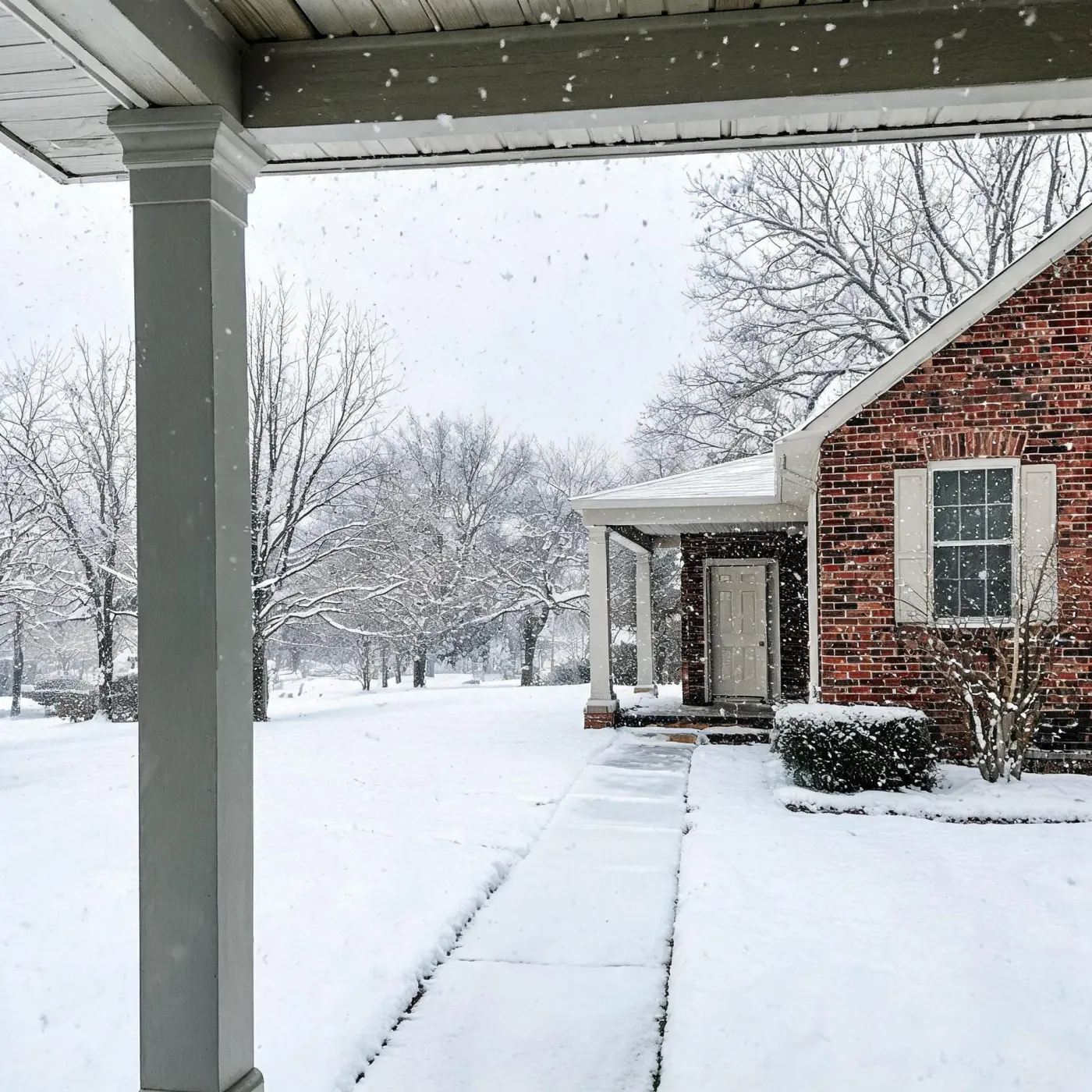
Statewide, winter nights average 26°F, according to NOAA. That's the stretch a correctly sized furnace has to hold against, night after night, without backing off. If yours is sized right, you'll notice it running long and steady rather than kicking on and off. Undersized, it falls behind before sunrise and the house never quite reaches the thermostat setting. Oversized, it blasts the house warm fast, shuts off, then has to fire again soon after. Either way, you'd feel it in the rooms farthest from the furnace first, since that's where the heat gives out last.
NOAA nClimDiv 1991-2020 county normals weighted by homes


The right furnace size for your house comes from a Manual J calculation, not the square footage on the listing. That's the number that tells a contractor what output your house actually needs to hold temperature through a New Jersey winter, night after night at 26°F or lower. Get it right and the furnace cycles on, heats the house evenly room to room, and shuts off, with no strain on the blower motor or the igniter. Get it wrong and you feel it directly: rooms at the far end of the house stay cold on the hardest nights, or the furnace fires in short, hard bursts that burn through gas without ever holding steady.
You don't have to sort out which of those two problems you've got, or guess at the right size yourself. A contractor who installs furnaces in New Jersey homes every winter has already seen both failures plenty of times, and knows what a Manual J calculation needs to account for in a house like yours, the windows, the ceiling height, the insulation. That's who gets matched to the job, one licensed contractor local to you, not a list of companies calling you back at once to bid on the work. You explain your situation once, to the person who's actually going to size and install the furnace, not to three or four people trying to win the job first.
That's the answer underneath all of it. Size it to the house, not the square footage, and let the person doing the Manual J calculation be the one who installs it too.





Only one pro gets your request, so you hear from one company.
Asking costs nothing, and the choice to hire stays yours.