Tell us about the job
Takes about a minute. No obligation.
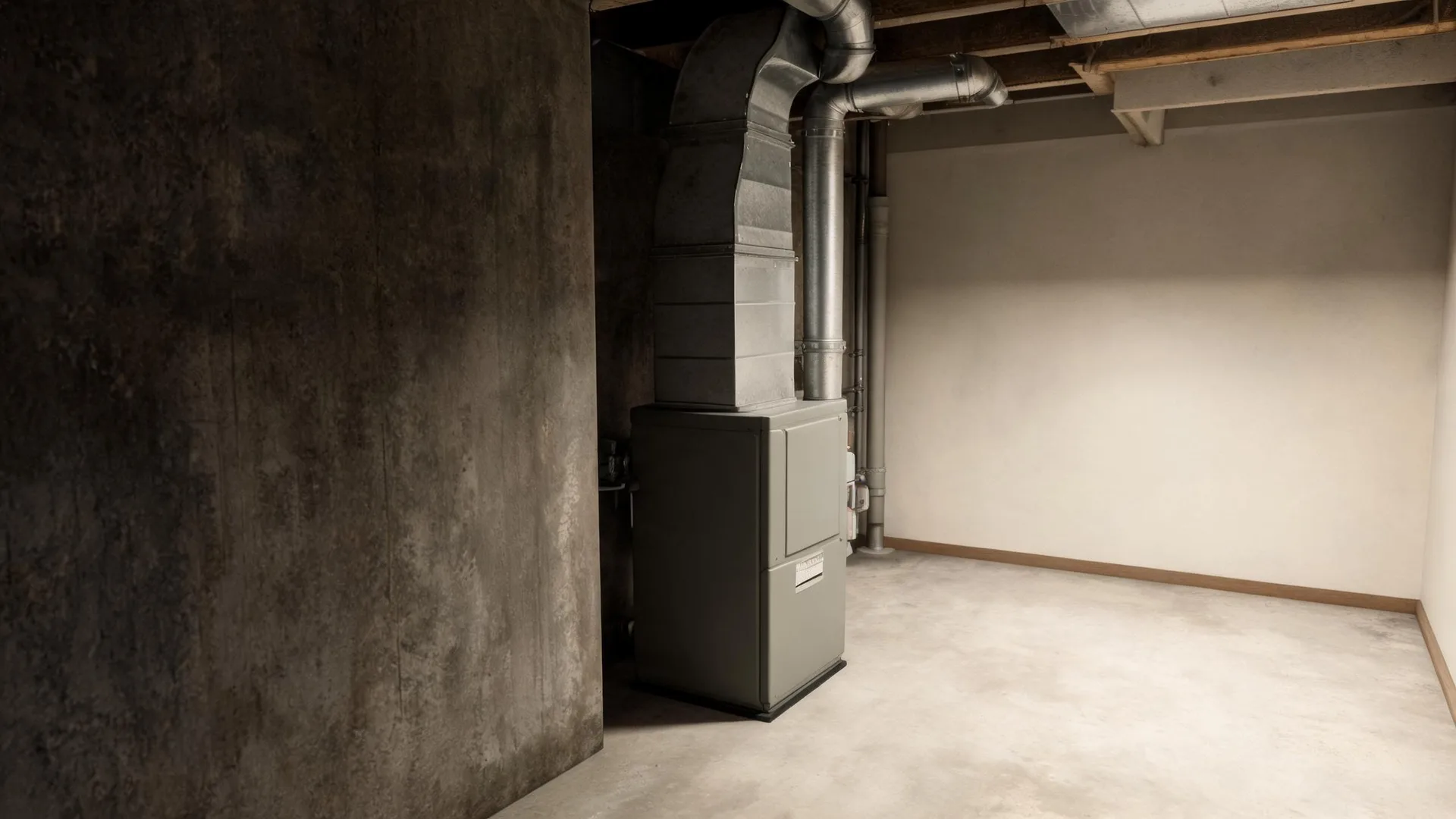
A furnace repair in Passaic County starts with the parts that actually do the work through a long winter. Homes in Passaic County, NJ run heat about eight months a year, from October through May. The burner, the heat exchanger, and the ignition system cycle every time the thermostat calls for heat, and they do it repeatedly across that stretch with almost no idle time to recover. When a furnace begins short-cycling or losing output, a contractor checks those components before anything else, because that is where accumulated wear lands.
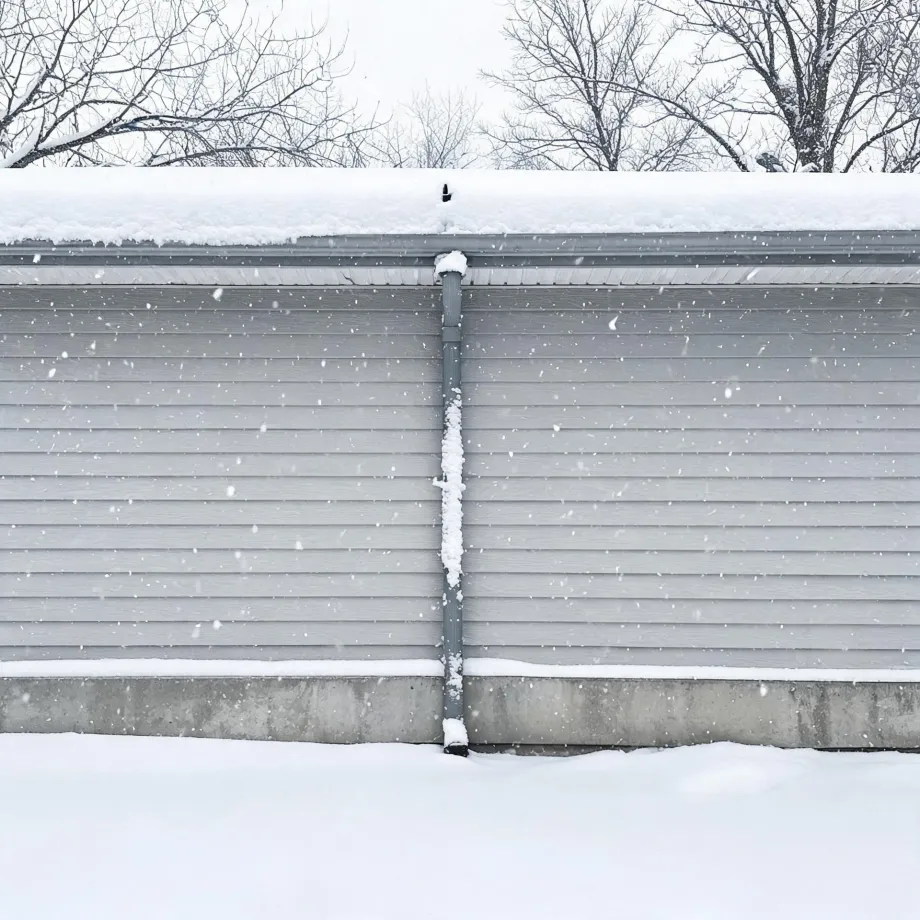
Ductwork in a house carries the history of every system that has run through it. Gaps, crimps, and improvised connections accumulate across decades of swapped equipment, and they show up in a furnace as erratic heat distribution or pressure problems a contractor cannot price from the outside. Half the homes in Passaic County, New Jersey were built in 1956 or earlier (2020-2024 ACS 5-year). That history means a technician diagnosing a furnace here opens the unit before writing a parts list, because what the duct connections are actually doing to airflow changes both what has failed and what the repair costs.
The Parts of a Furnace a Contractor Checks First
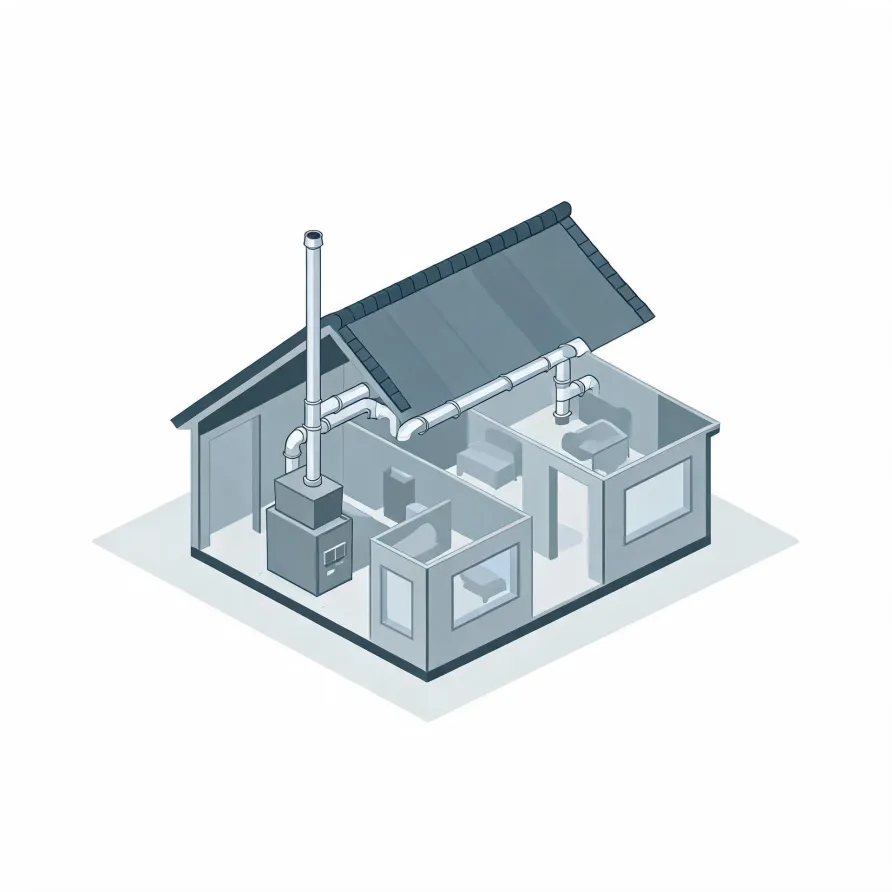
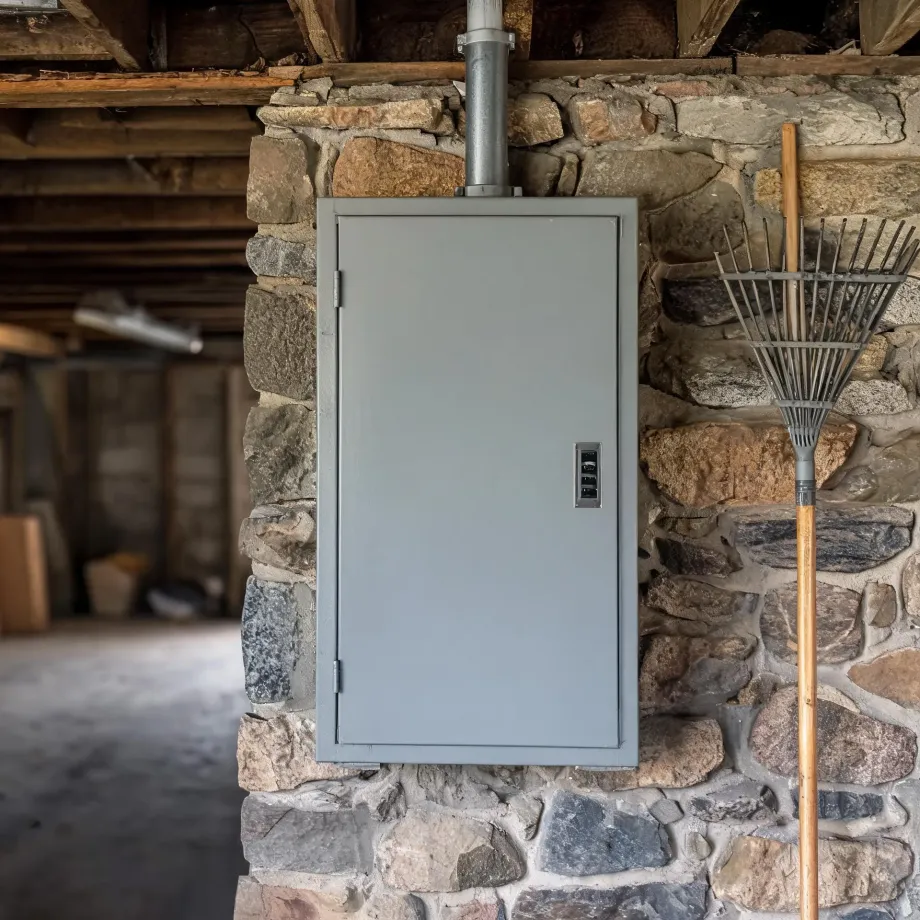
The furnace itself sits in a basement, utility room, or closet and is the first place a contractor looks. Inside it, the heat exchanger is the piece that fails most quietly and matters most urgently, because a crack there lets combustion gases into living air. The burners, which sit just below it, are where a contractor looks when the unit runs but heats poorly.
The blower motor sits at the base of the furnace cabinet and moves conditioned air into the supply side of the house. The flue pipe runs from the top of the unit to an exterior wall or roof and carries exhaust out. The thermostat on a main living-area wall is where a contractor starts before opening the cabinet, since a wiring or sensor fault there mimics a furnace failure.
The drawing shows a typical furnace layout, and a licensed contractor will determine which parts apply to the specific equipment and configuration in your home.
Get matched in Passaic CountyPassaic County, by the numbers
80 severe weather events were recorded in Passaic County, New Jersey between 2015 and 2024.
NOAA National Centers for Environmental Information, Storm Events Database, bulk CSV export, events 2015-01-01 through 2024-12-31.Half the homes in Passaic County, New Jersey were built in 1956 or earlier (2020-2024 ACS 5-year).
U.S. Census Bureau, 2020-2024 American Community Survey 5-Year EstimatesPassaic County, New Jersey holds 185,816 housing units (2020-2024 ACS 5-year).
U.S. Census Bureau, 2020-2024 American Community Survey 5-Year EstimatesOwners occupy 53.1% of the occupied homes in Passaic County, New Jersey (2020-2024 ACS 5-year).
U.S. Census Bureau, 2020-2024 American Community Survey 5-Year EstimatesFurnace & HVAC Repair Rules for Passaic County, New Jersey6 sourced rules and standards
What Happens When the Contractor Arrives
Non-weatherized gas furnaces manufactured on or after November 19, 2015 must reach 80.0 percent AFUE.
Non-weatherized oil-fired furnaces manufactured on or after November 19, 2015 must reach 83.0 percent AFUE.
Mobile home gas furnaces manufactured on or after November 19, 2015 must reach 80.0 percent AFUE.
Non-weatherized gas furnaces manufactured on or after December 18, 2028 must reach 95.0 percent AFUE, up from the 80.0 percent minimum that applies to units manufactured before that date.
Licensing Rules in Passaic County, New Jersey
In New Jersey the HVACR licence is the State's alone: a municipality, local board of health or any other agency may not issue or renew a Master HVACR contractor's licence.
New Jersey requires a Master HVACR contractor licence: no person or business may engage in the business of HVACR contracting, or advertise as a Master HVACR contractor, without being authorised under the State HVACR Contracting License Law.
Severe Weather Events in Passaic County
Extreme weather puts real stress on furnace components, and the pattern of that stress is local. How hard equipment has to work, and how often it gets pushed to its limits, depends on what the weather in this area actually does.
80 severe weather events, 2015–2024. Source: NOAA National Centers for Environmental Information, Storm Events Database.