
Furnace on but house still cold in New Jersey

Step 1 of 3: Equipment

A furnace that runs but never warms the house usually isn't heating the air it's blowing. The blower pushes air through the ducts whether or not the burners are actually lighting, so you can get warm sound and warm feel from the vents without the flame doing its job. A dirty flame sensor is a common cause. It's a small metal rod near the burners that tells the furnace a flame is present, and once it gets coated with residue, the furnace can shut the burners off right after startup even though the blower keeps running. A failing igniter does something similar. Weak airflow from a clogged filter can also make the system struggle to hold a temperature, especially on the coldest nights. None of these are problems to leave alone through a New Jersey winter. A furnace that short-cycles or runs cold wastes gas and can end up stressing other parts of the system.

A gray high-efficiency furnace with white PVC vent pipes stands beside galvanized sheet-metal ductwork in a basement with a concrete floor, with a wooden staircase and railing at left.

The burners are lighting

Air coming from the vents is actually warm. The furnace cycles on, the igniter catches, and the burners stay lit until the thermostat is satisfied. If the house still won't hold heat, the problem is likely how much warm air is reaching the rooms, not whether it's being made.


An older gas furnace with louvered panels sits on a concrete pad in a basement, connected to sheet-metal ductwork and PVC and metal pipes, with a water heater and wooden stair framing in the background.

The burners are shutting off early

The furnace fires, then stops after a few seconds, so what's coming through the vents is room temperature air the blower is still pushing. A flame sensor or limit switch is often behind this. New Jersey winters make a furnace that won't stay lit a problem worth fixing fast.

Is the Furnace Lighting or Not

Burners won't stay lit

  • The igniter glows but the flame sensor can't detect a steady flame, so the burners shut off a few seconds after they start.
  • A dirty flame sensor is a common cause, and a contractor can clean or replace it in one visit.
  • If the burners never catch at all, the gas valve or the igniter itself may have failed.
  • A cracked heat exchanger can also trip the limit switch and shut the burners down as a safety measure.
  • Without a steady flame, the blower still runs on schedule and pushes room-temperature air through every vent.

Burners are lighting fine

  • The furnace is making heat, so the problem is how much of it reaches the rooms you're in.
  • A clogged filter restricts airflow across the heat exchanger, so less heat moves into the ducts before the blower pulls more air through.
  • Ducts that run through an unheated attic or crawlspace lose some of that heat before it reaches the register.
  • A thermostat set too low for New Jersey's coldest stretches can leave the furnace satisfied long before the house actually feels warm.
  • If only certain rooms stay cold, a closed or blocked duct run is more likely than a furnace problem.
A gray furnace with sheet-metal ductwork, PVC vent pipes and a yellow gas line stands on a concrete basement floor beside wooden stair framing.

Furnace heating the house

The burners stay lit, the blower runs, and warm air keeps coming from every vent. Ductwork carries that heat through the house instead of losing it along the way. A furnace working like this holds the thermostat setting without the burners running nonstop to do it.

An older gas furnace with a louvered front panel stands on a concrete basement floor beside galvanized sheet-metal ductwork, a metal flue pipe, gas piping and a flexible conduit along a concrete wall.

Furnace running, house cold

The furnace cycles on and the blower sounds normal, but the air at the vents is barely warm or the house loses heat as fast as it's made. The burners may be short-cycling, the flame may not be catching right, or the furnace itself is working harder than it should to keep up.

Is your furnace just blowing cold air all over again?

You've probably checked the thermostat twice and bumped it up a few degrees, but the rooms stay the same. You stand by a vent and feel air moving, maybe even a little warm, but it never catches up. Some rooms are colder than others, the one farthest from the furnace worst of all. The furnace cycles on and off more than it used to, running longer stretches without the house ever feeling done. With New Jersey winters, a furnace that can't keep up means longer runtimes night after night, and on a system that's already straining, that's how a small problem turns into a furnace that stops running altogether.

A gray-haired man in a dark sweater sits on a light gray sofa in a living room, looking toward a sunlit window with trees outside.
A gray-haired man in a dark blue sweater sits on a light gray sofa in a sunlit living room, looking off to the side, with a potted plant, shelving unit, and large glass doors behind him.
A bearded man with graying hair in a dark green sweater sits on a sofa in a living room, looking off to the side, with a sliding glass door and a dim kitchen doorway behind him.
A gray-haired man in a dark knit sweater sits on a light gray sofa in a living room, looking toward a sunlit window, with houseplants, a lamp, and framed art in the background.

It's off your list after this

Only one pro gets your request, so you hear from one company.

You're not committing to anything by asking.

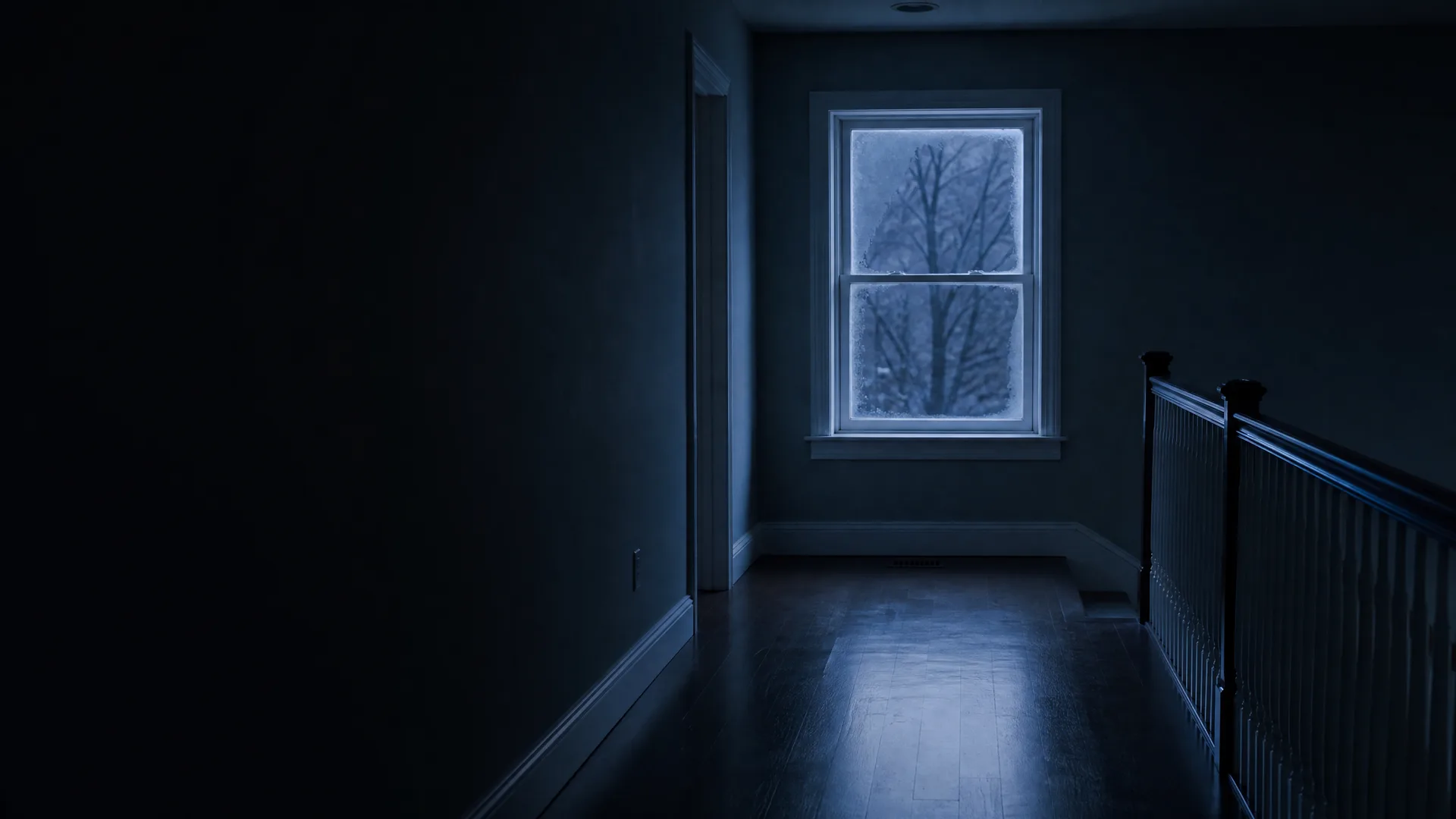
A dark interior hallway with a dark wood floor, a floor vent, a doorway on the left, and a stair railing on the right, lit only by a tall double-hung window showing bare tree branches outside.

You're awake at 2 a.m. because the house feels wrong. Downstairs the furnace is running, you can hear it, but upstairs the hallway is colder than the sheets. You walk out to check the thermostat and the vent by your feet has nothing coming from it, no draft at all. The hallway window has frost built up along the inside edge. Your breath almost shows. Somewhere below, the blower is still going, pushing air that isn't getting here. You stand there in the blue dark trying to decide if this can wait until morning or if New Jersey in January means it can't.

A gray high-efficiency furnace in a basement with PVC venting pipes, a yellow gas line, metal ductwork, concrete walls and floor, and a wood-framed stairway at left.
The cabinet is sealed, the flue pipes run tight, and the gas line feeds a burner assembly built for two stages of heat.
A beige furnace with a louvered front panel and metal ductwork stands on a concrete basement floor beside pipes and a white cylindrical water heater.
An older furnace like this can still run fine, but worn parts inside it fail more often and the water heater nearby adds another thing that can go wrong.
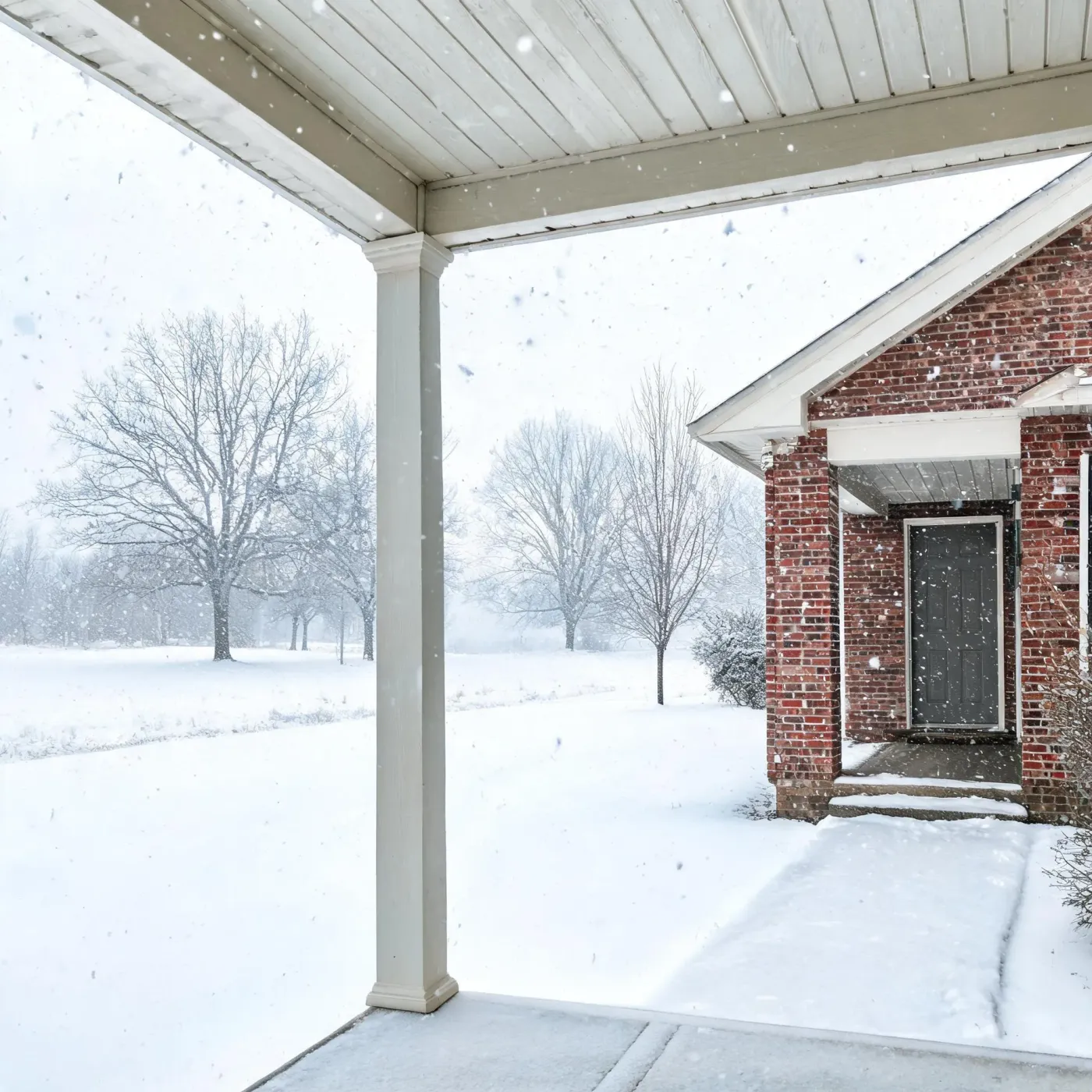
View from under a covered porch with a white column toward a red brick house with a dark door, with falling snow, snow-covered ground and bare trees in the background.

New Jersey winter nights average 26°F statewide, according to NOAA. At that temperature a furnace isn't cycling off for long stretches, it's running close to steady to keep up. If yours is running that much and the house still isn't warm, you'll feel it most in the rooms farthest from the furnace, upstairs bedrooms, a back room over the garage. Those spots lose the race between heat loss and heat delivery first. A furnace that can't hold the thermostat setting on a 26°F night usually isn't a thermostat problem. It's not producing enough heat, or not enough of what it produces is reaching those far rooms through the ducts.

NOAA nClimDiv 1991-2020 county normals weighted by homes

A middle-aged woman with shoulder-length dark hair, wearing a gray cardigan over a cream top, sits in an upholstered armchair and looks toward a sunlit window, with a shelf holding framed pictures and a plant behind her.
A woman and a child wrapped together in a thick knitted blanket on a sofa, both with eyes closed, with a lit table lamp and houseplant in the dim background.

Where This Leaves You

  • A furnace that runs nonstop and still leaves the house cold points to a specific failure, not a mystery.
  • A contractor licensed in New Jersey can trace it back to the igniter, the flame sensor, the blower, or the ducts themselves.
  • One local contractor takes the call instead of several companies competing for it, so you deal with a single visit instead of a flood of callbacks.
  • Someone who services furnaces through a New Jersey winter has likely seen this same complaint on this same equipment before.
  • Finding out why the house stays cold matters more once outside temperatures are sitting in the 20s overnight.
  • The fix depends on which part failed, but tracking that down is the job once it's handed off.

The furnace running and the house staying cold is not two problems, it's one. Somewhere between the burners and the air coming out of your vents, the heat is getting lost, and which part is responsible is a question with a real answer. It might be the igniter or flame sensor keeping the burners from staying lit. It might be a blower that's not moving enough air, or ductwork losing heat before it reaches the rooms you're standing in. None of that gets sorted out by waiting another night and hoping the thermostat catches up.

What happens next is simple. A contractor licensed in New Jersey and working near you takes the call, the only one working it, so you're not fielding a handful of estimates from companies that don't know your address. Someone who handles furnace calls through a New Jersey winter has already run into this exact complaint on this exact kind of equipment, more than once. That's the difference between a guess and a diagnosis.

Overnight temperatures in the 20s don't leave much room for a furnace that's running but not delivering. The sooner the actual part gets found, whether that's a sensor, a motor, or something in the ducts, the sooner the house holds heat the way it's supposed to. The cold rooms and the running furnace both point at the same answer. Finding it is what's left to do.

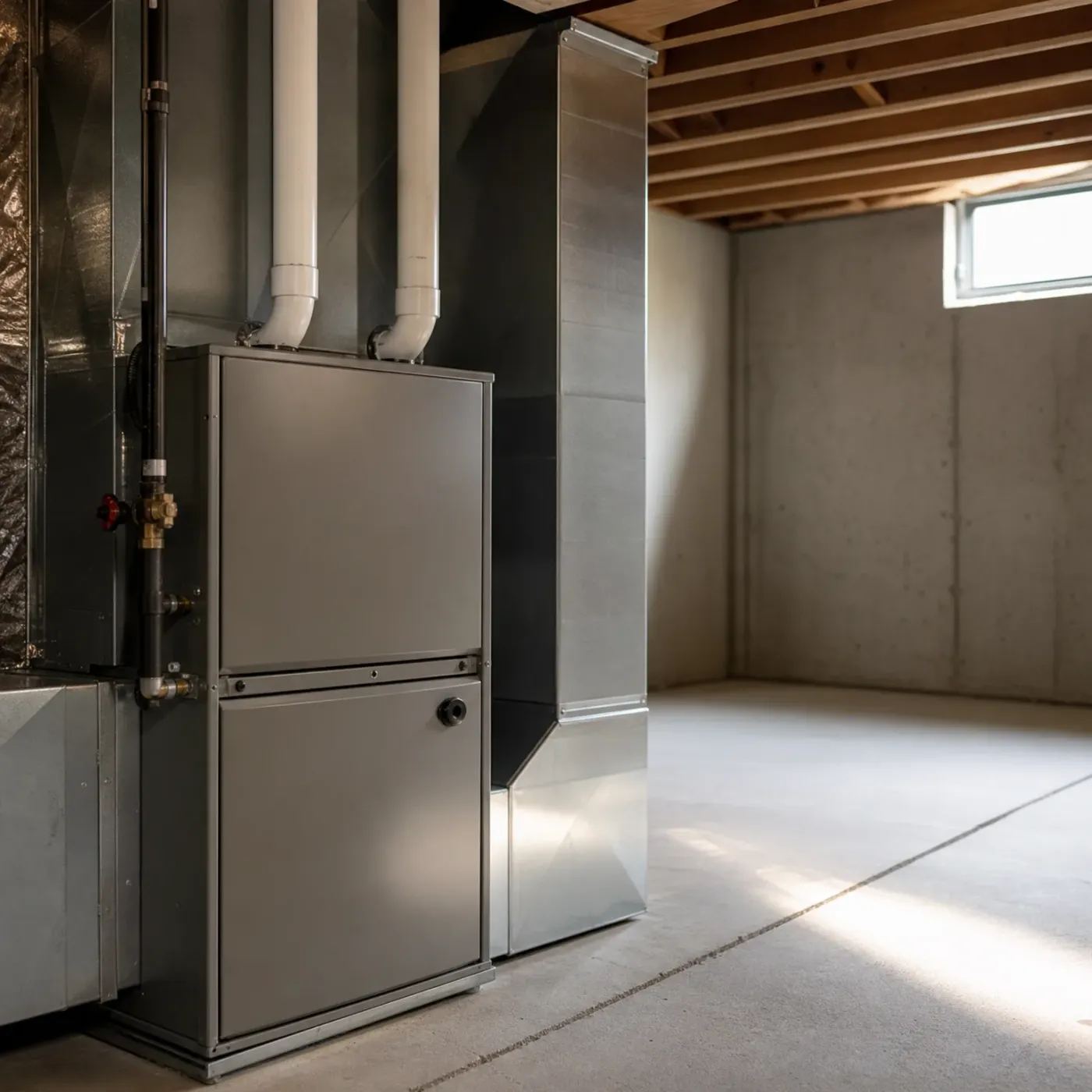
A gray furnace with PVC vent pipes and sheet-metal ductwork stands against a wall in an unfinished basement with concrete floor and walls, exposed wood joists, and a small window.

Hand off the search today

Find a licensed pro

Your request stays with one local pro.

It costs nothing to send, and you don't have to hire anyone.